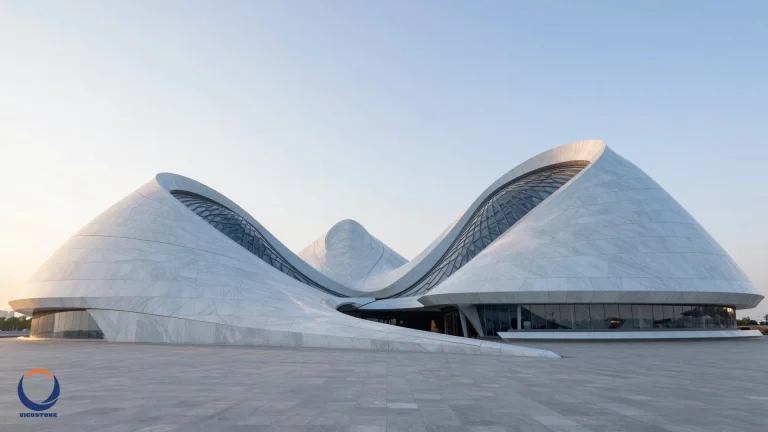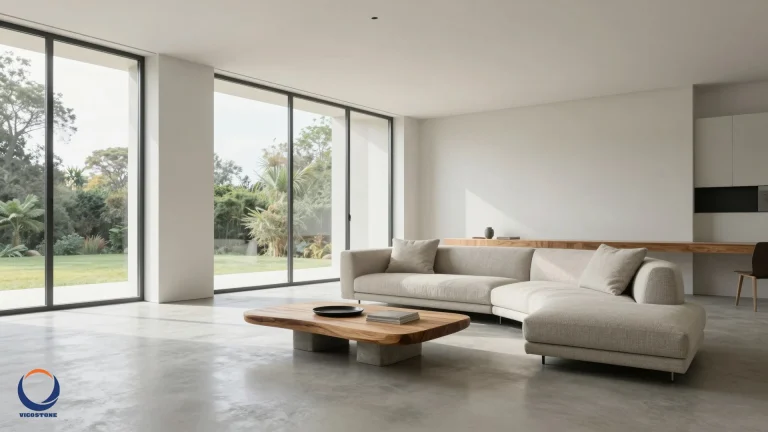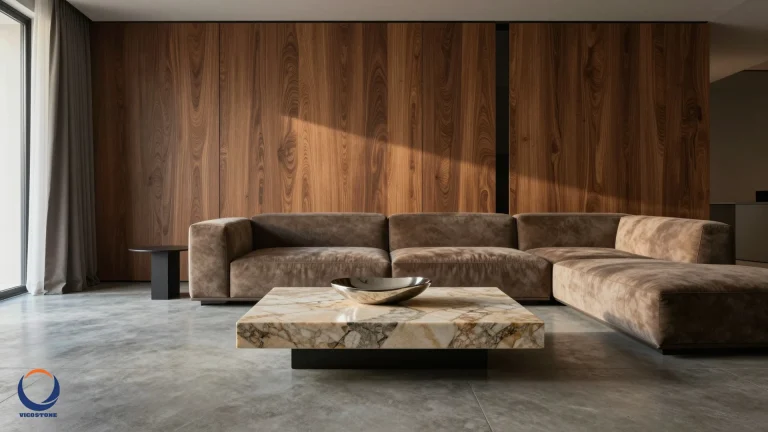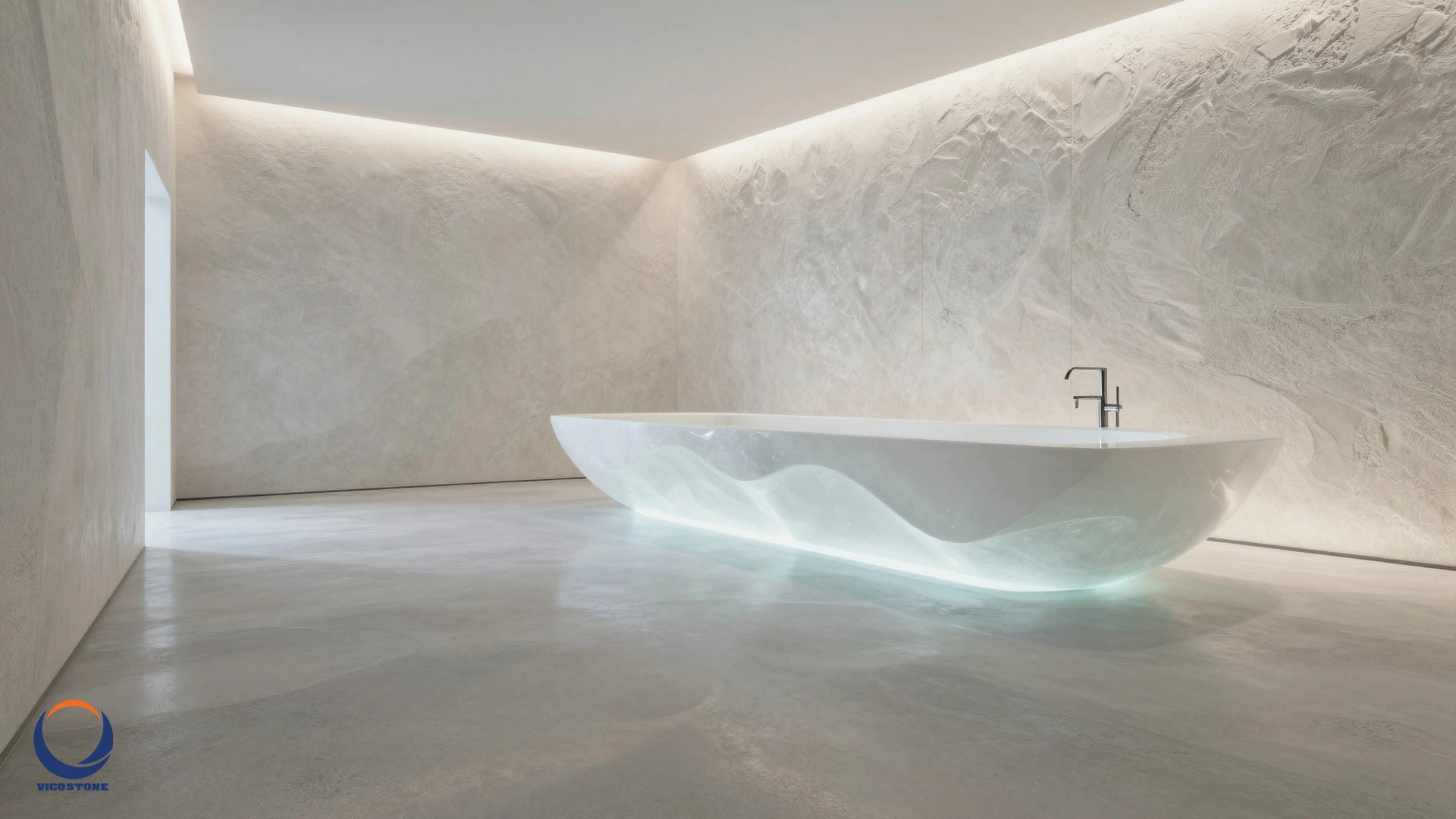
Our homes and workspaces are more than just structures; they are environments that profoundly impact our health and well-being. Every surface we touch, from kitchen countertops to flooring, plays a role in this delicate balance. Consequently, the demand for materials that are both safe for inhabitants and gentle on the planet is rapidly accelerating. Consumers are increasingly seeking options that align with their values, pushing manufacturers towards unprecedented innovation in sustainable and healthy design.
This shift isn't merely a trend; it represents a fundamental rethinking of how we build and interact with our surroundings. We are moving beyond aesthetics to prioritize the long-term implications of our material choices. This article explores the exciting advancements shaping the future of safe and sustainable surface materials, highlighting innovations that promise a healthier planet and healthier living spaces.

The urgent call for healthier and greener choices
For decades, many conventional building materials contained hidden costs, both environmental and health-related. Resource depletion, significant energy consumption during manufacturing, and the generation of vast amounts of waste have been standard practices [2]. Moreover, indoor air quality has become a major concern. Volatile organic compounds (VOCs) and other harmful chemicals off-gassing from surfaces can contribute to a range of health issues, from respiratory problems to more severe conditions [1]. This growing awareness has fueled a powerful movement towards more responsible material selection.
Consumers are no longer content with merely beautiful surfaces. They want transparency about a product's life cycle, from its raw materials to its end-of-life disposal. They are asking critical questions: Is it ethically sourced? Does it contribute to indoor air pollution? Can it be recycled or reused? This evolving consumer consciousness is a primary driver behind the innovations we see today, compelling the industry to adapt and evolve.
Defining safety and sustainability in surface materials
Understanding what truly makes a material "safe" and "sustainable" is crucial. Sustainability encompasses a material's entire life cycle. This includes responsible sourcing of raw materials, minimizing energy and water use during manufacturing, reducing waste, and ensuring recyclability or biodegradability at the end of its useful life [2]. A truly sustainable material aims for a minimal ecological footprint.
Safety, on the other hand, focuses on human health and well-being. Safe materials are non-toxic, emit low or no harmful chemicals, and do not pose physical risks during installation or use. This includes avoiding substances like crystalline silica, which can cause severe lung diseases when inhaled as dust [3]. Furthermore, materials that are easy to clean and inhibit microbial growth also contribute to a healthier indoor environment.
Innovations in sustainable sourcing and production
The quest for sustainable surfaces begins at the source. Manufacturers are increasingly looking to alternative raw materials and production methods to reduce environmental impact.
Utilizing recycled and reclaimed content
One of the most effective ways to reduce environmental impact is by incorporating recycled materials. Surfaces made from recycled glass, post-consumer plastics, or industrial byproducts like fly ash are becoming more common. This approach diverts waste from landfills and reduces the need for virgin resources. For example, some engineered surfaces now boast significant percentages of recycled content, offering both durability and a reduced carbon footprint.
Embracing rapidly renewable resources
Materials derived from resources that can be replenished quickly are another cornerstone of sustainable design. Bamboo, cork, and linoleum are excellent examples. Bamboo, a fast-growing grass, offers exceptional hardness and durability for flooring and panels. Cork, harvested from tree bark without harming the tree, provides natural insulation and resilience. Linoleum, made from linseed oil, wood flour, and natural resins, is biodegradable and durable, making it a timeless sustainable choice [4].
Developing bio-based and natural composites
The frontier of sustainable materials also includes bio-based innovations. Scientists are developing surfaces from agricultural waste, mycelium (mushroom roots), and plant-based polymers. These materials often offer unique aesthetic qualities and can be biodegradable, closing the loop in a circular economy. Such innovations are still emerging but hold immense promise for a future free from petrochemical reliance.
Lowering the environmental footprint of manufacturing
Beyond raw materials, the production process itself is being scrutinized. Manufacturers are adopting practices that reduce energy consumption, minimize water usage, and decrease waste generation. This includes using renewable energy sources, implementing closed-loop water systems, and optimizing production lines for efficiency. These efforts collectively contribute to a significantly lower carbon footprint for the final product.
Health-conscious materials: beyond just "green"
A truly sustainable material must also be safe for human health. The focus is shifting towards materials that actively contribute to a healthier indoor environment.
The rise of silica-free engineered stone
Engineered stone has long been popular for its durability and aesthetic versatility. However, traditional engineered stone contains high levels of crystalline silica, posing a significant health risk to fabricators and installers through dust inhalation [3]. The industry is now embracing silica-free engineered stone alternatives. These innovative materials replace silica with other minerals, offering comparable performance without the associated health hazards. This represents a monumental step forward in protecting workers and ensuring safer living spaces. Understanding what makes engineered stone different from natural stone is key to appreciating these advancements.
Low VOC and formaldehyde-free options
Volatile organic compounds (VOCs) are chemicals that off-gas from many building materials, contributing to poor indoor air quality. Modern sustainable surfaces are specifically engineered to have ultra-low or zero VOC emissions, including formaldehyde [1]. This is critical for sensitive individuals and for maintaining a healthy home environment, especially in well-sealed, energy-efficient buildings where air exchange is limited.
Antimicrobial and air-purifying surfaces
Some advanced surfaces are now designed with inherent antimicrobial properties, inhibiting the growth of bacteria, mold, and mildew. This reduces the need for harsh chemical cleaners and contributes to a more hygienic environment. Furthermore, cutting-edge technologies are exploring surfaces that can actively purify indoor air, absorbing pollutants and breaking them down. While still emerging, these innovations point towards a future where surfaces do more than just look good; they actively enhance our health.
Durability and longevity: the true test of sustainability
One of the most overlooked aspects of sustainability is durability. A material that lasts longer reduces the need for frequent replacement, thereby conserving resources and minimizing waste over time [5]. Investing in high-quality, long-lasting surfaces is inherently a sustainable choice.
Advances in material science have led to surfaces with enhanced resistance to scratches, stains, heat, and impact. These materials maintain their aesthetic appeal and structural integrity for decades, even in high-traffic areas. Furthermore, ease of maintenance plays a role; surfaces that require minimal cleaning and harsh chemicals are both more sustainable and practical for daily living. EON Tech has been at the forefront of applying advanced material science to solve these real-world challenges, ensuring both beauty and resilience.
Embracing the circular economy
The concept of a circular economy is central to the future of sustainable materials. Instead of the traditional "take-make-dispose" model, a circular approach aims to keep resources in use for as long as possible, extracting maximum value from them, and then recovering and regenerating products and materials at the end of each service life.
For surface materials, this means designing for disassembly, making it easier to separate components for recycling or reuse. It also involves developing modular systems that can be updated or repaired rather than fully replaced. Some manufacturers are even implementing product take-back programs, ensuring their materials are properly processed at the end of their life cycle, diverting them from landfills and feeding them back into the production stream.
Key players and emerging technologies
The landscape of sustainable surface materials is dynamic, with continuous innovation driven by both established companies and agile startups. Research into nanotechnology, for instance, is yielding self-cleaning and self-healing surfaces, further extending product life and reducing maintenance needs. Smart surfaces that can monitor environmental conditions, generate energy, or even change appearance are also on the horizon, promising a future where surfaces are interactive and highly functional.
Digital fabrication techniques, such as 3D printing, are enabling the creation of complex, customized surface designs with minimal material waste. These technologies allow for on-demand production, reducing inventory and transport costs, and opening up new possibilities for personalized and efficient material use.
Challenges and the path forward
Despite the exciting progress, challenges remain. The initial cost of some cutting-edge sustainable materials can be higher than conventional options, although this often balances out with long-term durability and health benefits. Consumer education is vital to help people understand the true value proposition of these materials beyond the upfront price.
Standardization and certification programs are crucial for providing clear, trustworthy information about a product's environmental and health attributes. Scaling up production of novel sustainable materials to meet growing demand also requires significant investment and infrastructure development. Finally, supportive policies and regulations can accelerate the adoption of these materials, ensuring a level playing field and incentivizing sustainable practices across the industry.
Making informed choices: a consumer's guide
For sustainability-focused consumers, making informed choices about surface materials involves a few key steps:
- Look for certifications: Reputable third-party certifications (e.g., Greenguard, Cradle to Cradle, LEED) provide assurance that a product meets specific environmental and health standards.
- Research material life cycles: Understand where the materials come from and where they go after use. Prioritize materials with transparent supply chains and end-of-life solutions.
- Ask about sourcing and manufacturing: Don't hesitate to inquire about a company's commitment to ethical sourcing, fair labor practices, and sustainable manufacturing processes.
- Consider long-term value: While upfront cost is a factor, consider the durability, maintenance requirements, and potential health benefits over the lifespan of the material. A more expensive, durable, and healthy option may prove more economical and beneficial in the long run.
A brighter, healthier future for surfaces
The trajectory towards safe and sustainable surface materials is clear and irreversible. Driven by consumer demand, scientific innovation, and a growing understanding of our interconnectedness with the environment, the industry is undergoing a profound transformation. From silica-free engineered stone to bio-based composites and materials designed for a circular economy, the options for creating healthier, greener spaces are expanding rapidly.
As we continue to prioritize both planetary health and personal well-being, the surfaces around us will increasingly reflect these values. The future promises not just beautiful and functional surfaces, but ones that actively contribute to a more sustainable and healthier world for all.
More Information
- Volatile Organic Compounds (VOCs): Organic chemicals that have a high vapor pressure at ordinary room temperature. VOCs are emitted as gases from certain solids or liquids and can cause adverse health effects, including respiratory irritation and headaches.
- Life Cycle Assessment (LCA): A methodology for assessing environmental impacts associated with all stages of a product's life, from raw material extraction through materials processing, manufacture, distribution, use, repair and maintenance, and disposal or recycling.
- Crystalline Silica: A common mineral found in materials like sand, quartz, and granite. Inhaling fine crystalline silica dust can lead to silicosis, a debilitating and potentially fatal lung disease, primarily affecting workers in industries like stone fabrication.
- Renewable Resources: Natural resources that are replenished by natural processes at a rate comparable to or faster than their rate of consumption by humans. Examples include timber, bamboo, cork, and agricultural products used for bio-based materials.
- Circular Economy: An economic system aimed at eliminating waste and the continual use of resources. Circular systems employ reuse, sharing, repair, refurbishment, remanufacturing and recycling to create a closed-loop system, minimizing the use of resource inputs and the creation of waste.