For many years, engineered quartz countertops held an esteemed position in modern kitchen and bathroom design. They were celebrated for their polished uniformity, impressive durability, and aspirational appeal [2]. Homeowners and designers alike appreciated their low maintenance and attractive appearance [1]. However, a significant shift is now underway within the industry. A growing awareness of health risks associated with crystalline silica has prompted a reevaluation of materials. This has led many design-conscious homeowners and professionals to explore safer, more sustainable alternatives.
The countertop industry is undergoing a quiet yet profound transformation. Escalating scrutiny around crystalline silica exposure, particularly during fabrication and installation, has unsettled architects, manufacturers, and stone professionals globally [2]. Consequently, regulatory pressures are tightening. Fabricators are reconsidering long-standing material preferences. Designers are actively searching for alternatives that are both elevated in aesthetic and future-facing in their safety profile.
The hidden cost of traditional quartz
Engineered quartz was once the industry standard for durability [3]. It offered a consistent look and feel that natural stone could not always provide. Its resistance to scratches, stains, and heat made it a practical choice for busy households [1]. Yet, beneath its immaculate surface, a serious health hazard lurked. Traditional engineered quartz often contains a very high crystalline silica content, sometimes exceeding 90% [3].
This high silica content poses a grave danger during the fabrication process. When quartz is cut, ground, or polished, it releases fine silica dust into the air. Inhaling this pulverized silica dust over extended periods can lead to silicosis [1]. Silicosis is a devastating, fatal, and incurable lung disease [3]. This crisis has prompted urgent action worldwide.
A global health shift and regulatory response
The global movement towards silica-free materials is gaining momentum. Regions like Australia and California are leading the charge. Worker safety has become a legislative priority in these areas [3]. Australia implemented a total ban on engineered stone containing more than 1% crystalline silica in 2024 [3]. This unprecedented move was a direct response to a "tsunami" of silicosis cases among fabricators [3].
California has also responded decisively. The state has implemented emergency temporary standards. It is considering a full ban as confirmed silicosis cases continue to rise [3]. Experts like Liam O’Brien, Assistant Secretary of the Australian Council of Trade Unions, emphasize that the silicosis crisis is a failure of the product itself, not just a failure of rules [3]. This strong regulatory pressure means designers must find safer alternatives for their clients.
Understanding the difference: low silica versus silica-free
It is crucial for homeowners and designers to understand the distinction between "low silica" and "silica-free" materials. Many brands have reduced their silica content. They often aim for under 40% or even 10% to mitigate risk [3]. However, "low silica" is not the same as "silica-free" [3]. While low-silica options reduce the risk, they do not eliminate it entirely [3].
For a "zero-risk" environment during fabrication, silica-free mineral surfaces are recommended [3]. These materials are engineered without crystalline silica whatsoever. Low silica countertops are still an emerging category [5]. They are being evaluated for certain projects, including residential kitchens and commercial spaces [5]. However, the ultimate goal for many is complete elimination of the danger.
The rise of silica-free alternatives
Into this evolving landscape, a new category of materials has emerged. These alternatives are perfectly aligned with current demands for safety, sustainability, and sophisticated aesthetics. They represent a compelling response to the industry's need for lower-silica and completely silica-free surfacing solutions [2]. Designers are increasingly turning to these innovative materials.
Sintered stone: beauty and resilience
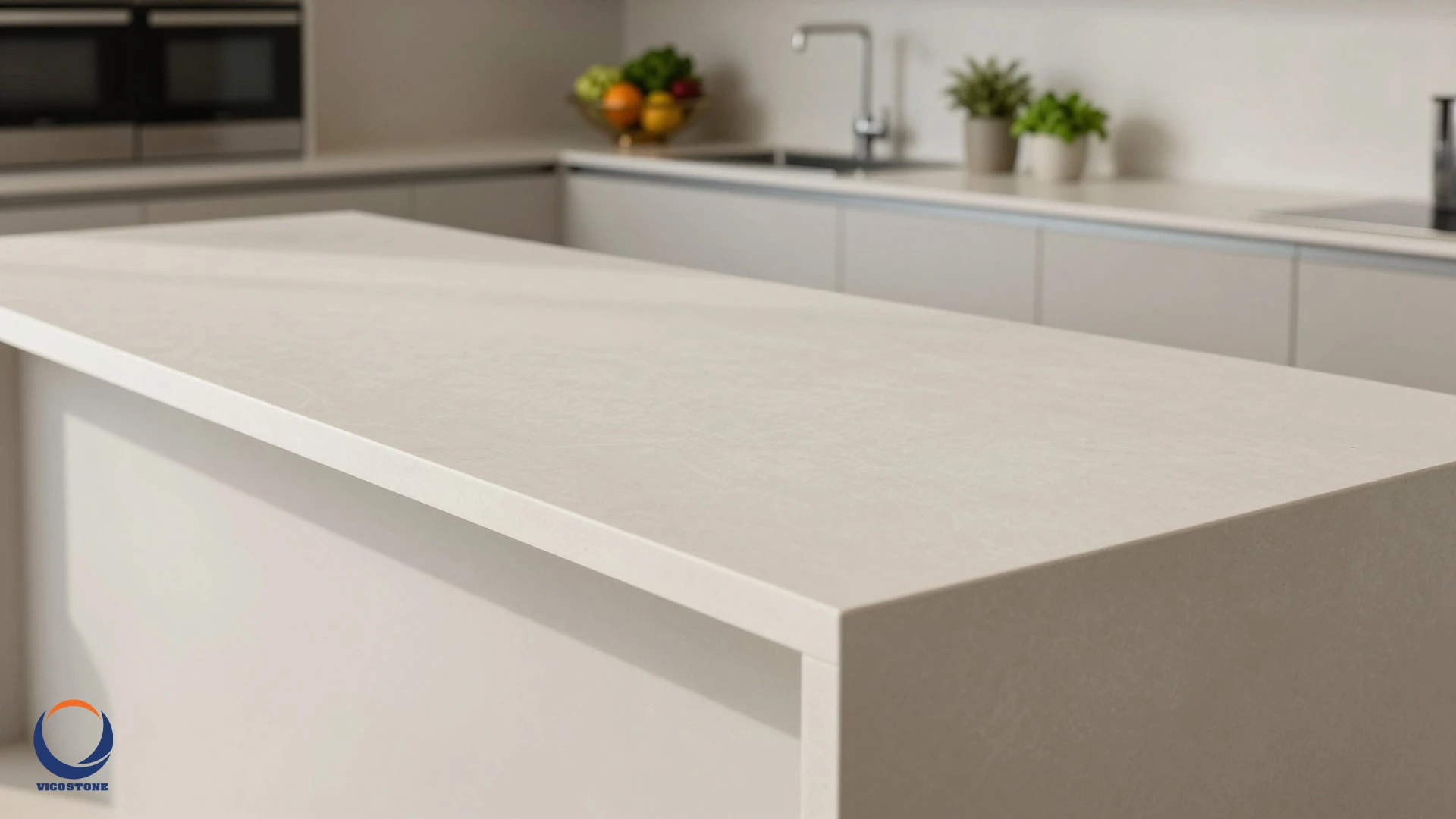
Sintered stone has gained significant traction. It is manufactured through extreme heat and pressure [2]. These ultra-compact surfaces offer remarkable resilience. They also provide the visual drama traditionally associated with rare natural marble [2]. Sintered stone is made from 100% natural minerals. It contains no resins or petroleum glues. This makes it a healthy choice for both indoor and outdoor living spaces [3]. It delivers a new design language, merging safety with sculptural luxury.
Porcelain slabs: inert and non-porous
Porcelain slabs are another excellent silica-free option. They are created from refined clays and natural minerals. These are fired at extremely high temperatures, often over 1200°C [3]. The result is a completely inert and non-porous material [3]. This zero porosity prevents bacterial growth. It makes porcelain ideal for hygienic bathrooms, shower walls, and vanities [3].
Ultracompact surfaces like Dekton
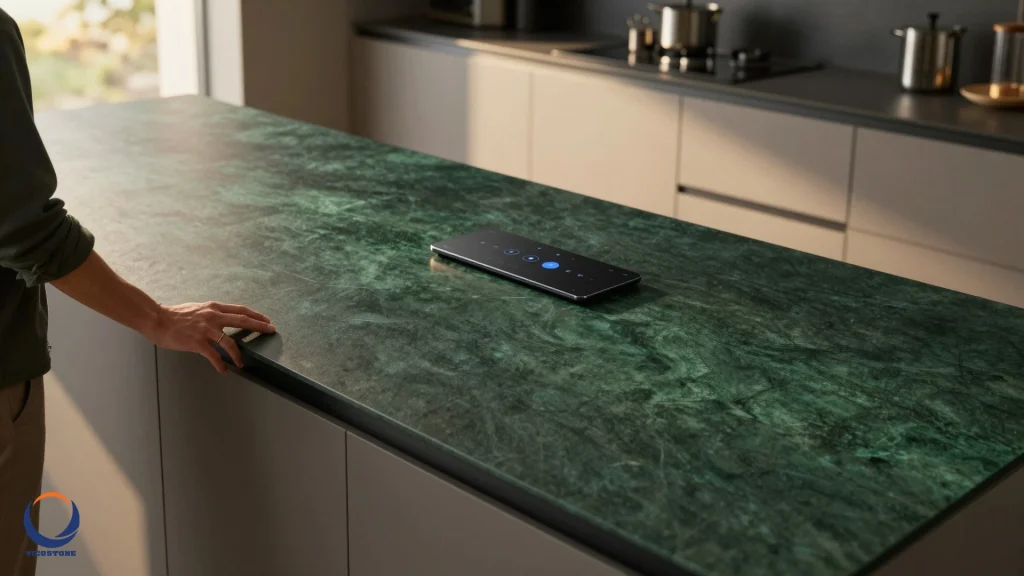
Dekton, a brand of ultracompact surface, represents a sophisticated blend of raw materials. It is processed under immense pressure, up to 25,000 tons [3]. Dekton is 100% silica-free and carbon-neutral [3]. These advanced materials offer superior performance. They are fire-born and heat-proof, making them perfect for architectural fireplaces and seamless media walls [3]. Furthermore, they are the only materials safe for integrated technologies like Invisacook (invisible induction) and invisible touch switches [3]. This is because they contain no heat-sensitive resins.
Beyond safety: performance and aesthetic advantages
Choosing silica-free surfaces does not mean sacrificing beauty or performance. In fact, these materials often outperform natural stone and traditional quartz in various categories [3]. They offer a compelling blend of durability, hygiene, and aesthetic versatility.
Unmatched durability and resilience
Silica-free options are designed to withstand the demands of everyday use. They are highly resistant to scratches, stains, and heat [1]. This makes them an excellent choice for busy kitchens and bathrooms. Unlike traditional quartz, which can yellow under UV exposure, Dekton and Porcelain are 100% UV stable [3]. This makes them perfect for outdoor kitchens and sun-drenched spaces.
Hygienic and easy to maintain
The non-porous nature of materials like porcelain and sintered stone is a significant advantage. It prevents the absorption of liquids and the growth of bacteria. This results in highly hygienic surfaces. They are easy to clean and maintain, contributing to a healthier home environment. This is especially important in kitchens and bathrooms.
Advanced technology integration
The absence of heat-sensitive resins in silica-free mineral surfaces allows for seamless integration of smart technologies. Features like invisible induction cooktops (e.g., Invisacook) and touch switches can be directly embedded into the countertop. This creates a sleek, minimalist aesthetic while enhancing functionality. Such innovations are increasingly sought after by design-conscious homeowners.
Aesthetic versatility and sustainable practices
Silica-free options offer a wide range of aesthetic possibilities. They are available in sophisticated designs that mimic natural marble [1]. Rich emerald veining, moss-like undertones, and deep mineral pigmentation create a moody opulence [2]. These surfaces possess movement and change character under shifting light conditions [2]. Sustainable business practices are also a priority for manufacturers of these materials. They ensure products are beneficial to the environment through minimally impactful manufacturing processes [1]. This blend of sustainability, safety, and aesthetics makes them a wise investment.
Design trends driving the switch
The move to silica-free countertops is not just about safety. It also aligns perfectly with broader shifts in interior design philosophy. The era of sterile, uninterrupted white kitchens and glacial gray minimalism is gradually receding [2]. Instead, homeowners are gravitating towards spaces that feel atmospheric, tactile, and emotionally resonant [2].
Embracing biophilic design
Designers are increasingly drawing inspiration from nature. They look to landscapes, mineral formations, and forests to create restorative environments [2]. This biophilic approach favors organic textures and natural palettes. Green countertops, for instance, evoke a sense of grounded sophistication [2]. They soften hard architectural lines and introduce chromatic depth without overwhelming a space [2]. This trend is further accelerated by luxury hospitality design, where emerald-toned stone surfaces are prevalent in high-end hotels and wellness retreats [2]. Residential interiors inevitably follow these leading aesthetics.
Curated palettes and textural richness
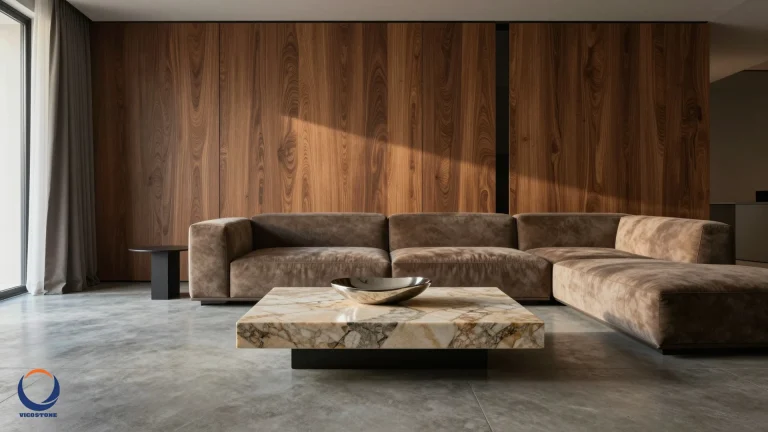
Modern luxury is increasingly defined by darker, more curated palettes. Forest green, basalt, smoked walnut, and oxidized bronze tones are replacing the bright austerity of the past decade [2]. These rich colors and textures add depth and character to a space. They move away from flat, monochromatic surfaces towards materials with visual complexity. This allows for a more personalized and sophisticated interior. The focus is on atmosphere over austerity, and texture over uniformity [2]. The ability of silica-free materials to replicate these natural, complex visuals is a key factor in their growing popularity. The innovative solutions offered by companies like EON Tech are helping to drive this evolution in material selection and design application.
Making an informed choice for your home
For design-conscious homeowners, the decision to switch to silica-free countertops is a logical one. It represents an investment in health, safety, and modern aesthetics. When considering new countertops, it is essential to ask about the material's silica content. Always prioritize options that are explicitly labeled as "silica-free" for complete peace of mind.
Consulting with professionals
Engage with designers and fabricators who are knowledgeable about the latest materials. They can guide you through the various silica-free options available. They can also help you understand their specific benefits and applications. Whether you are renovating a kitchen, updating a bathroom, or designing an outdoor living area, these new surfaces offer unparalleled advantages.
Long-term value and sustainability
Investing in silica-free countertops provides long-term value. You gain superior durability, enhanced hygiene, and cutting-edge aesthetic appeal. Furthermore, you contribute to a safer working environment for fabricators. You also support more sustainable manufacturing practices. This aligns with a growing desire for environmentally conscious home choices. The meticulous construction of silica-free quartz slabs ensures they meet the highest requirements for performance and quality [1]. They offer a gorgeous aesthetic interior without sacrificing environmental or health concerns [1].
The future of healthy and beautiful design
The shift towards silica-free countertops marks a pivotal moment in interior design. It signals a broader recalibration of how luxury materials are selected and experienced in the post-quartz era [2]. Designers are no longer forced to choose between stunning aesthetics and worker safety. The new generation of surfaces, including sintered stone, porcelain, and ultracompact materials, offers both. These materials provide high-performance luxury without the inherent risks of traditional engineered quartz. They are shaping the future of interior design, offering a healthier, more sustainable, and equally beautiful solution for every home. Explore the rise of silica-free surfaces in modern kitchens for more insights. Also, consider why silica-free engineered stone is shaping the future of interior design to deepen your understanding.
As regulatory pressures intensify and awareness grows, silica-free countertops will become the new standard. They offer a sophisticated, secure, and long-lasting alternative to traditional options [3]. For design-conscious homeowners, this means creating beautiful spaces that are safe for everyone involved, from fabrication to daily use. The industry is evolving, and these innovative materials are at the forefront of that change. Low silica countertops are also gaining attention in the stone industry, as manufacturers continue to develop new engineered surface formulations [5].
More information
- Silicosis: A severe and incurable lung disease caused by inhaling fine crystalline silica dust, primarily affecting workers involved in cutting, grinding, or polishing materials with high silica content.
- Sintered stone: An ultra-compact surface material made from natural minerals, processed under extreme heat and pressure, offering high durability and aesthetic versatility without resins or high silica content.
- Crystalline silica: A common mineral found in materials like quartz, sand, and granite. When inhaled as fine dust, it poses significant health risks, leading to lung diseases like silicosis.
- Biophilic design: An architectural and interior design approach that incorporates natural elements and processes into built environments to improve human well-being and connection to nature.
- Ultracompact surfaces: A category of engineered materials, such as Dekton, made from a sophisticated blend of raw materials processed under immense pressure and heat, resulting in highly durable, non-porous, and often silica-free surfaces.