In the dynamic world of architecture and interior design, the quest for materials that combine aesthetic appeal with unparalleled performance is ceaseless. For centuries, natural stone has been the epitome of luxury and durability. However, its inherent limitations—porosity, susceptibility to staining, and environmental impact of quarrying—have paved the way for a revolutionary contender: engineered stone. This innovative material, often referred to as sintered stone or quartz, is rapidly transcending traditional boundaries, establishing itself as a global design standard for its remarkable blend of beauty, resilience, and sustainability.
Architects, designers, and developers worldwide are increasingly turning to engineered stone for projects ranging from residential marvels to large-scale commercial complexes. Its ability to meet the rigorous demands of modern construction while offering boundless creative freedom positions it as a cornerstone of future-proof design. This article explores the multifaceted reasons behind engineered stone's ascendancy, highlighting its transformative impact on the built environment.
The rise of engineered stone: a paradigm shift in material science
The journey of architectural materials has always been one of evolution, driven by technological advancements and changing design philosophies. While natural stone, such as marble and granite, has long been cherished for its unique patterns and timeless elegance, its natural imperfections and maintenance requirements often present challenges. This is where engineered stone steps in, offering a compelling solution.
Engineered stone, particularly sintered stone, represents a significant breakthrough in material science. It is manufactured using a sophisticated process that mimics the natural formation of igneous rocks, but under accelerated and controlled conditions. Mineral particles, often including quartz, feldspar, and glass, are subjected to extreme heat (over 1200°C) and immense pressure. This sintering process fuses the particles together without melting, creating an incredibly dense, non-porous slab [1]. The result is a material that not only replicates the beauty of natural stone but also surpasses it in functional attributes.
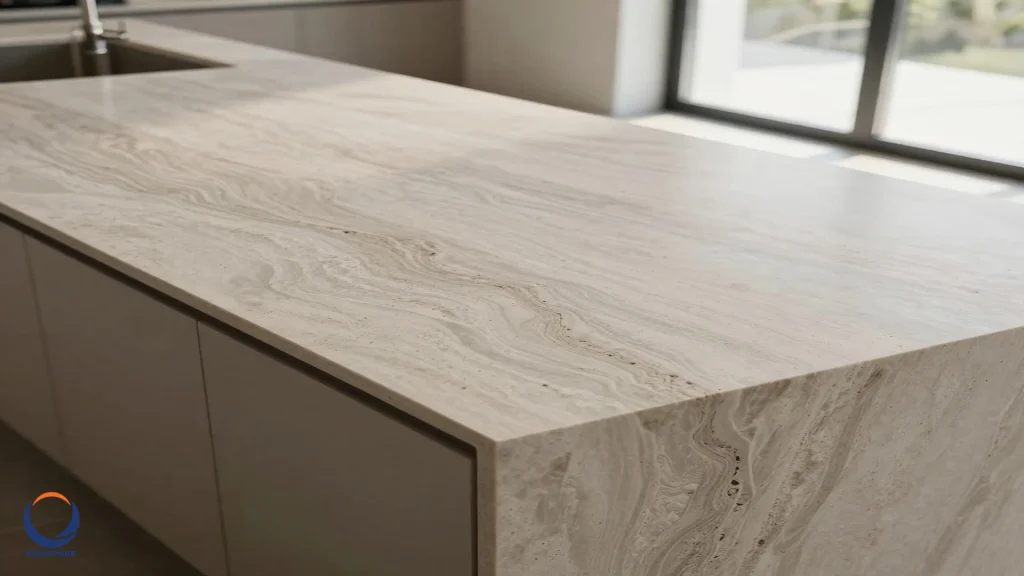
Unparalleled aesthetics and design versatility
One of the primary drivers behind engineered stone's global appeal is its extraordinary aesthetic range and flexibility in design. This material offers designers an unprecedented palette to realize their most ambitious visions.
Replicating natural beauty with enhanced perfection
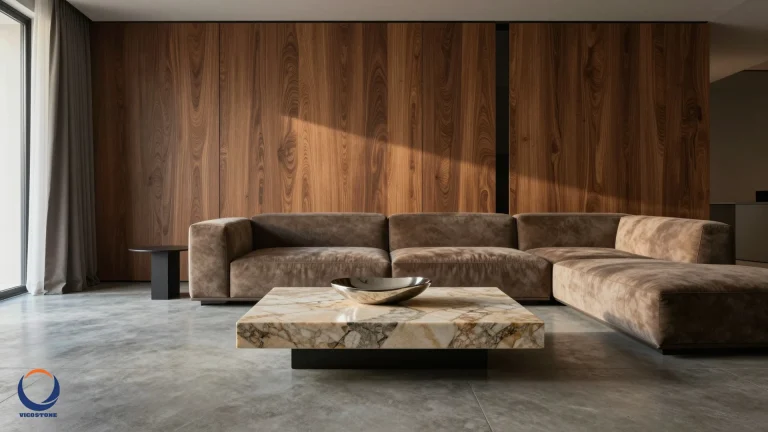
Engineered stone excels at capturing the essence of rare natural stones without their inherent flaws. Imagine a surface that mirrors the luxurious veining of Calacatta marble, the robust strength of granite, or the warm textures of wood, yet remains impervious to the weaknesses of these materials [1]. Advanced digital printing technology allows manufacturers to create intricate, high-definition patterns, ensuring each slab is a work of art. This technology provides endless variations in color, exquisite veining, and diverse surface effects, including polished, matte, textured, and semi-polished finishes, catering to virtually any design style [1]. Reputable suppliers consistently update their collections, setting global trends in surface design.
Liberating design limits through flexibility
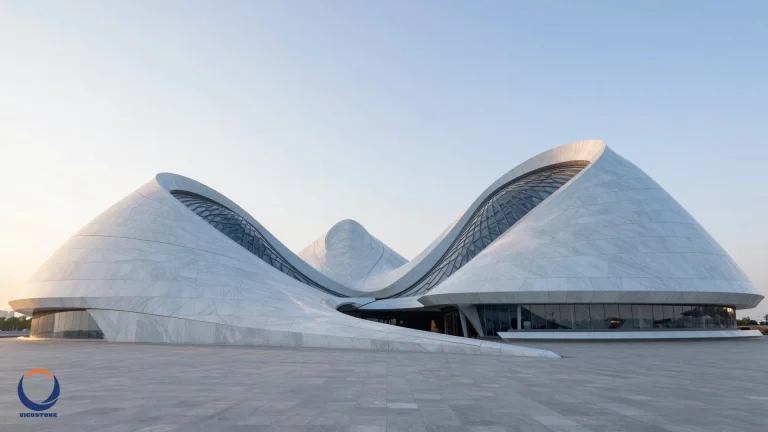
Beyond its visual appeal, engineered stone empowers architects and designers with remarkable flexibility. The material is available in impressive large formats, such as 1600x3200mm, which helps create seamless surfaces and minimizes unsightly grout lines [1]. Furthermore, its astonishing thinness, ranging from 3mm to 20mm, opens up a world of application possibilities [1]. This adaptability means engineered stone can be applied across a vast spectrum of architectural elements:
- Exteriors: Building facades, ventilated facades, gate cladding, and exterior wall tiling.
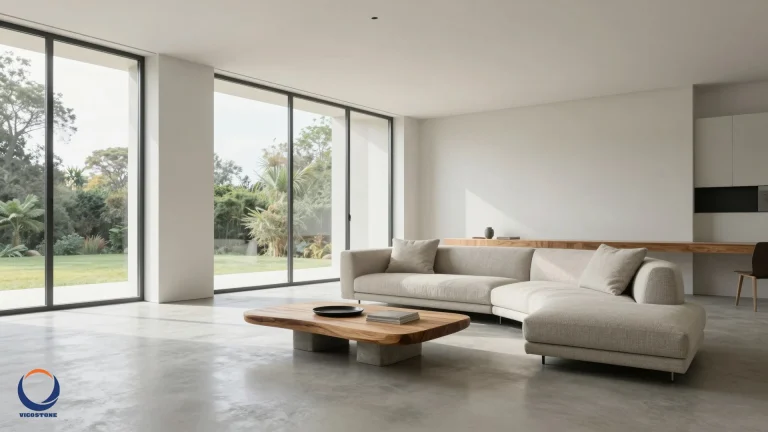
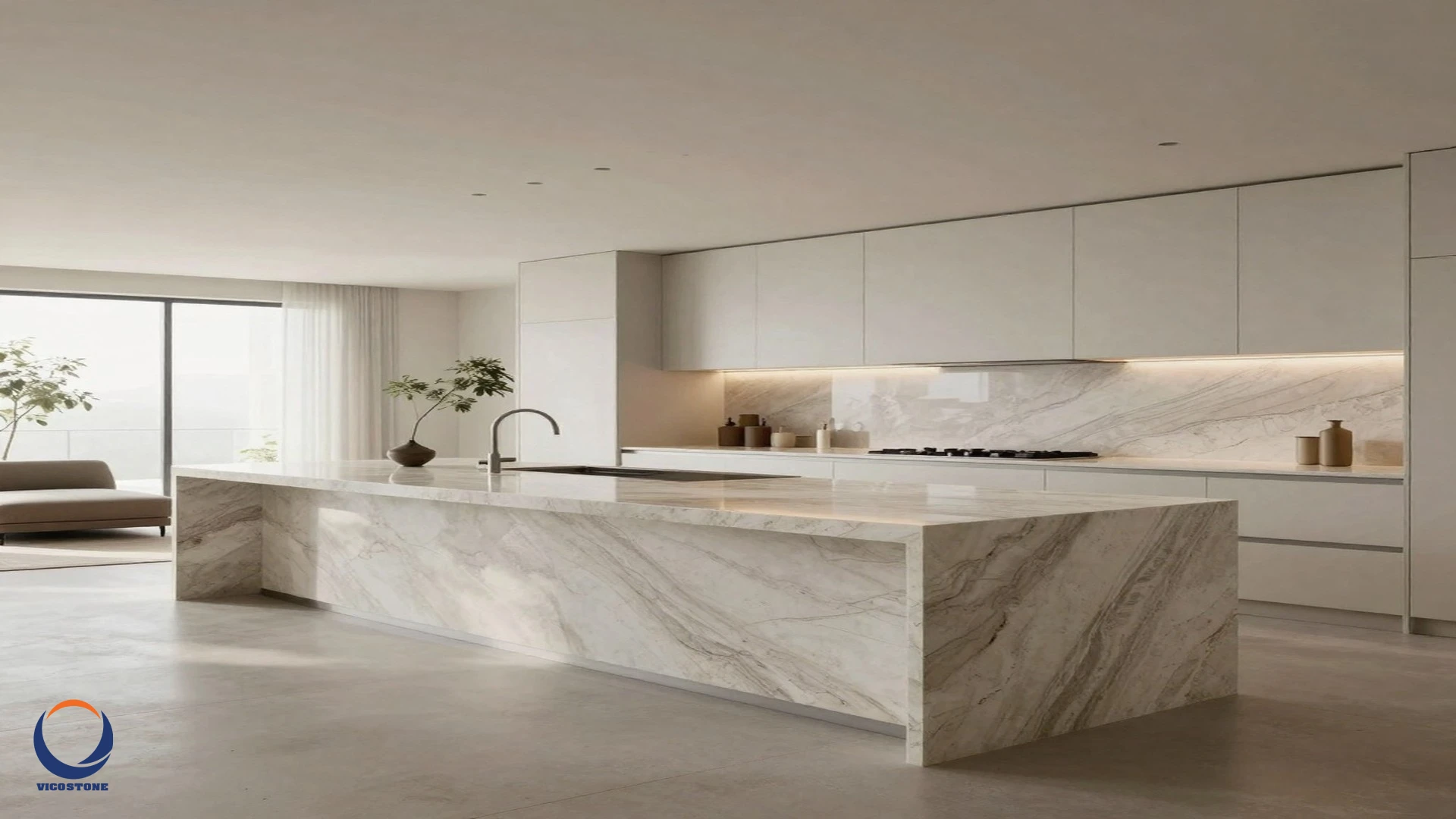
- Interiors: Flooring, wall cladding (including wet areas like bathrooms), kitchen countertops, kitchen islands, dining tables, coffee tables, bar tops, and reception counters.
- Furniture: Cabinet doors, cabinet surfaces, and even intricate furniture details [1].
The variety in size, thickness, and workability allows engineered stone to conform to almost any shape. This ranges from the clean, straight lines of minimalist architecture to the soft, organic curves of contemporary designs. It truly frees designers from the constraints often imposed by traditional materials, fostering greater creativity and innovation.
Superior performance and durability
Aesthetics alone are not enough to establish a global standard; superior performance is equally critical. Engineered stone excels in durability, making it a practical choice for high-traffic and demanding environments.
Resilience against the elements
One of the most significant advantages of engineered stone is its exceptional resilience. Unlike many natural materials, it boasts absolute UV resistance. This crucial property ensures that the color and patterns of a project retain their original beauty for decades, even when exposed to harsh sunlight and challenging climates [1]. This makes it an ideal choice for both interior and exterior applications where color fading is a concern.
Moreover, engineered stone is virtually impervious to moisture. Its extremely low water absorption rate, typically less than 0.05%, makes it stain-proof and highly resistant to water damage [1]. This characteristic is particularly beneficial for kitchen countertops, bathroom surfaces, and outdoor installations, where exposure to liquids is common. The material's inherent hardness also provides excellent scratch resistance, maintaining its pristine appearance over extended periods of use.
Hygiene and maintenance advantages
In an era where hygiene is paramount, engineered stone offers significant health benefits. Its inert, non-porous surface leaves no room for bacteria, mold, or mildew to grow, ensuring a consistently clean and healthy living or working environment [1]. This makes it a preferred material for applications demanding high standards of cleanliness, such as kitchens, healthcare facilities, and laboratories.
The non-porous nature also simplifies cleaning dramatically. Spills can be wiped away effortlessly, without penetrating the surface and leaving lasting stains. This ease of maintenance translates into reduced cleaning time and lower long-term maintenance costs, adding to its overall appeal for both residential and commercial projects. For architects and designers, specifying materials that are easy to maintain is a key consideration, and engineered stone consistently delivers on this front. Furthermore, platforms like EON Tech are increasingly adopted by businesses to streamline the selection and procurement of such high-performance materials.
Economic and environmental sustainability
Beyond its aesthetic and performance merits, engineered stone also presents compelling arguments for economic viability and environmental responsibility, aligning with contemporary architectural values.
Long-term value and cost efficiency
While engineered stone may represent a premium initial investment, its long-term economic benefits are substantial. The use of large-format slabs can significantly reduce construction time, labor costs, and the need for auxiliary materials compared to smaller, traditional stone slabs [1]. This efficiency in installation contributes to overall project savings.
Furthermore, the material's exceptional durability and resistance to wear, tear, and environmental factors mean reduced maintenance and repair expenses over its lifespan. This translates into a lower total cost of ownership, making it an attractive option for developers and property owners seeking sustainable value. The market for engineered and artificial stone is experiencing robust growth, with projections indicating a 14.2% compound annual growth rate (CAGR) in regions like Vietnam, significantly outperforming the total stone market [3]. This growth underscores its increasing economic importance and market acceptance.
A greener choice for modern architecture
Sustainability is a cornerstone of modern architectural practice, and engineered stone aligns well with this ethos. Many engineered stone products incorporate recycled content, reducing demand for virgin resources. While the manufacturing process can be energy-intensive, ongoing innovations are focused on improving energy efficiency and reducing the carbon footprint. The material's extreme longevity also contributes to sustainability by minimizing the need for replacement, thereby reducing waste in landfills.
Choosing engineered stone supports the creation of healthier indoor environments due to its non-porous, inert surface that does not off-gas harmful chemicals. This commitment to both environmental and human well-being makes engineered stone a responsible choice for forward-thinking design. For instance, the growing demand for sustainable architectural materials is a trend that engineered stone perfectly addresses. You can learn more about this trend by exploring resources like The Growing Demand for Sustainable Architectural Materials.
Global adoption and future outlook
The momentum behind engineered stone is undeniable, propelling it into a position of global prominence. Its versatility and performance make it suitable for diverse climates and cultural design preferences, from minimalist Scandinavian interiors to opulent commercial spaces.
Countries like Vietnam, for example, are emerging as significant players in the stone market, with a strong focus on both traditional natural stone exports and the rapidly expanding engineered stone sector. While natural stone remains a valuable commodity, with companies like VietnamStone specializing in exporting a wide range of high-quality natural stones such as Basalt, Granite, and Marble [2], the growth trajectory of engineered stone is particularly impressive. The Vietnamese stone market is projected to expand significantly, with engineered and artificial stone identified as the fastest-growing segment from 2025-2030 [3]. This regional trend mirrors a broader global shift towards more advanced and versatile building materials.
The future of engineered stone looks exceptionally bright. Ongoing research and development promise even greater advancements in terms of aesthetics, performance, and environmental credentials. Innovations in digital printing, texture creation, and material composition will continue to expand its design possibilities. As architects and designers increasingly prioritize materials that offer a harmonious balance of beauty, function, and ecological responsibility, engineered stone is poised to solidify its position as the undisputed global design standard for generations to come. For those looking to create enduring value, understanding how engineered stone supports long-term property value for investors is crucial.
Conclusion
Engineered stone has undeniably reshaped the landscape of architectural design. Its ability to marry the timeless elegance of natural materials with superior performance characteristics—including exceptional durability, UV resistance, low water absorption, and hygienic properties—makes it an unmatched choice for contemporary projects. Furthermore, its economic advantages in terms of installation efficiency and long-term maintenance, coupled with its increasing alignment with sustainability goals, reinforce its status as a forward-thinking material.
As the global design community continues to seek innovative solutions that push creative boundaries while adhering to practical and environmental demands, engineered stone stands out as a material that not only meets but often exceeds these expectations. Its journey from a niche alternative to a global design standard is a testament to its intrinsic value and its profound impact on how we conceive and construct our built environment.
More information
- Sintered Stone: A type of engineered stone made from natural minerals subjected to extreme heat and pressure, resulting in a highly dense, non-porous, and durable surface material. It mimics the appearance of natural stone but offers enhanced performance.
- UV Resistance: The ability of a material to withstand prolonged exposure to ultraviolet radiation from sunlight without fading, discoloring, or degrading. Engineered stone often possesses high UV resistance, ensuring color stability over time.
- Water Absorption Rate: A measure of how much water a material can absorb, typically expressed as a percentage. Engineered stone boasts an extremely low water absorption rate, making it highly resistant to stains and moisture.
- Digital Printing Technology: An advanced manufacturing technique used in engineered stone production to create intricate, high-definition patterns and veining that replicate the appearance of natural materials with precision and variety.
- Compound Annual Growth Rate (CAGR): A financial metric that calculates the average annual growth rate of an investment or market segment over a specified period longer than one year, assuming the profits are reinvested.