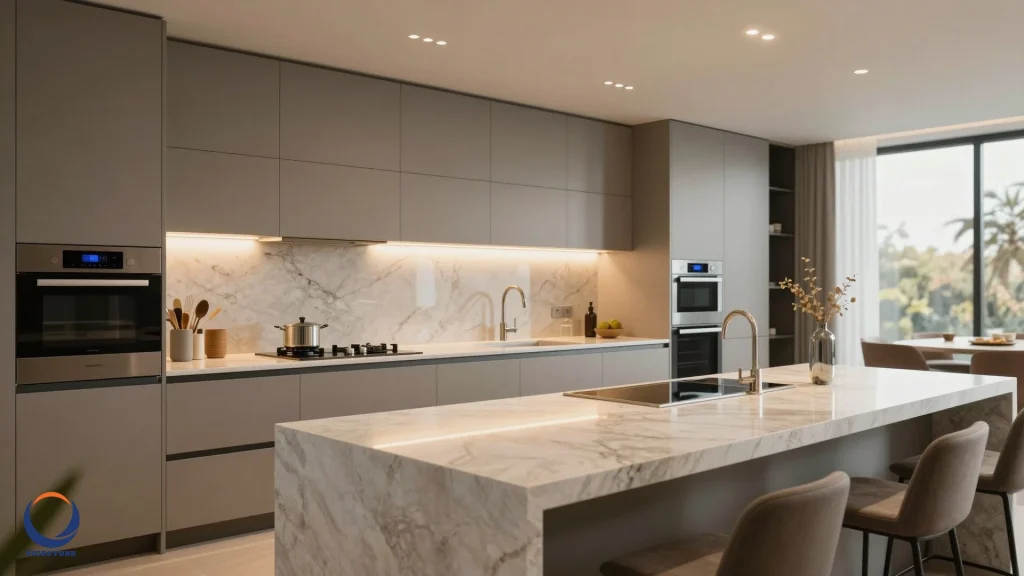
For modern luxury homeowners, the kitchen is no longer merely a functional space. It has evolved into the true heart of the home, a sophisticated hub for culinary exploration, social gatherings, and personal well-being. Today's discerning homeowners demand more than just beautiful aesthetics; they seek a harmonious blend of cutting-edge technology, sustainable practices, and deeply personalized design. This shift marks the emergence of a new standard, where every element contributes to an elevated living experience.
The contemporary luxury kitchen is a testament to thoughtful design. It reflects a lifestyle that values both opulence and responsibility. Furthermore, it integrates seamlessly with the broader smart home ecosystem, offering unparalleled convenience and efficiency. This article explores the key pillars defining this new era of sophisticated kitchen design.
Beyond aesthetics: the rise of smart integration
Sophisticated kitchen design now places a strong emphasis on intelligent functionality. Technology is no longer an afterthought but an intrinsic part of the design, enhancing usability and elevating the culinary experience. This integration creates a truly responsive and intuitive environment.
Seamless technology in the culinary space
Modern luxury kitchens are equipped with an array of smart appliances. These include refrigerators that manage inventory, ovens with integrated cameras and recipe suggestions, and dishwashers that optimize water usage. Leading brands like Samsung Bespoke are at the forefront of this innovation, offering appliances that combine advanced features with customizable aesthetics [2]. Moreover, these appliances often connect to central home automation systems. This allows homeowners to control their kitchen environment with voice commands or via smartphone applications. Imagine preheating your oven on your commute home or receiving alerts when your groceries are running low. This level of connectivity redefines convenience.
The rapid pace of global change, often highlighted in daily news, underscores the need for homes that adapt and simplify life [3]. Smart kitchens provide this adaptability. They streamline daily tasks, freeing up more time for leisure and family. This seamless integration ensures that technology serves to enhance, not complicate, the luxury lifestyle.
Intuitive design for effortless living
Beyond individual appliances, the entire kitchen layout is designed for intuitive interaction. Ergonomics play a crucial role, ensuring that workspaces are comfortable and efficient. Smart storage solutions, such as automated pantry systems and touch-to-open cabinetry, maximize space and accessibility. Lighting systems are often programmable, adjusting brightness and color temperature to suit different moods or tasks. Furthermore, climate control can be integrated, maintaining optimal temperatures and air quality. This holistic approach ensures that every interaction within the kitchen feels effortless and enjoyable. Platforms like EON Tech are increasingly adopted by designers to streamline the planning and execution of these complex integrated systems, ensuring flawless functionality and user experience.
Sustainable luxury: design with conscience
Today's luxury homeowners are increasingly environmentally conscious. They seek designs that not only exude elegance but also reflect a commitment to sustainability. This growing awareness shapes material choices and operational efficiencies within the kitchen.
Eco-conscious material selection
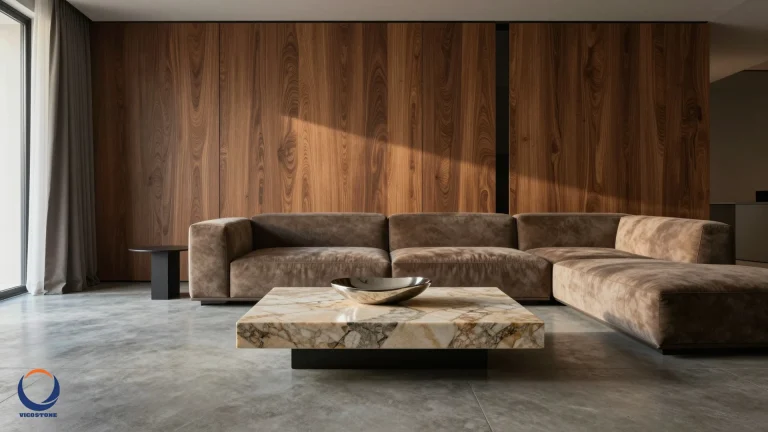
The choice of materials is paramount in a sustainable luxury kitchen. Engineered stone, for instance, offers exceptional durability and a sophisticated aesthetic while often being made with recycled content and produced with lower environmental impact compared to some natural stones. Brands like Vicostone are recognized for their premium engineered stone surfaces, which combine beauty with practicality and sustainability [2]. Recycled glass, reclaimed wood, and low-VOC (volatile organic compound) finishes are also popular choices. These materials contribute to healthier indoor air quality and reduce the overall ecological footprint. The emphasis is on longevity and timelessness, reducing the need for frequent replacements and minimizing waste. This aligns with the broader trend of sustainable luxury: the future of premium interior surfaces.
Energy efficiency and responsible resource use
Energy-star rated appliances are a standard in modern luxury kitchens. These appliances significantly reduce electricity consumption without compromising performance. Water-saving fixtures, such as low-flow faucets and smart dishwashers, conserve precious resources. Integrated waste management systems, including composting solutions and recycling centers, make responsible disposal easy and discreet. The design also considers natural light and ventilation. Maximizing natural light reduces reliance on artificial lighting during the day. Thoughtful ventilation systems improve air quality and manage humidity. These elements collectively contribute to a kitchen that is both environmentally responsible and cost-efficient to operate.
Personalization and wellness: crafting bespoke experiences
The ultimate luxury lies in a space that is uniquely tailored to the homeowner's needs and preferences. Modern kitchen design embraces personalization, creating environments that support health, comfort, and individual style.
Tailored layouts and functional zones
Custom cabinetry and bespoke island designs are hallmarks of sophisticated kitchens. Designers work closely with homeowners to create layouts that perfectly suit their cooking habits and entertaining styles. Dedicated zones for specific activities, such as a baking station, a coffee bar, or a wine cooler, enhance functionality. These zones ensure that every tool and ingredient is precisely where it needs to be. The result is a highly efficient and enjoyable workspace. This level of customization ensures the kitchen is not just beautiful but also perfectly aligned with the homeowner's lifestyle. Furthermore, it contributes to why simplicity is the new definition of luxury interiors.
Wellness-focused features
Luxury kitchens are increasingly incorporating features that promote well-being. Advanced air purification systems remove allergens and odors, ensuring a fresh and healthy environment. Natural light optimization, through large windows or skylights, boosts mood and reduces eye strain. Biophilic design elements, such as indoor herb gardens or views of lush greenery, connect the space to nature. These elements create a calming and invigorating atmosphere. The kitchen becomes a sanctuary, a place where health and happiness are nurtured. Even amidst the complexities of global events, the desire for a tranquil and supportive home environment remains a constant [1].
The art of materiality: textures, finishes, and durability
The tactile and visual qualities of materials are crucial in defining a kitchen's luxury appeal. The new standard emphasizes premium surfaces that offer both aesthetic beauty and long-lasting performance.
Premium surfaces for lasting elegance
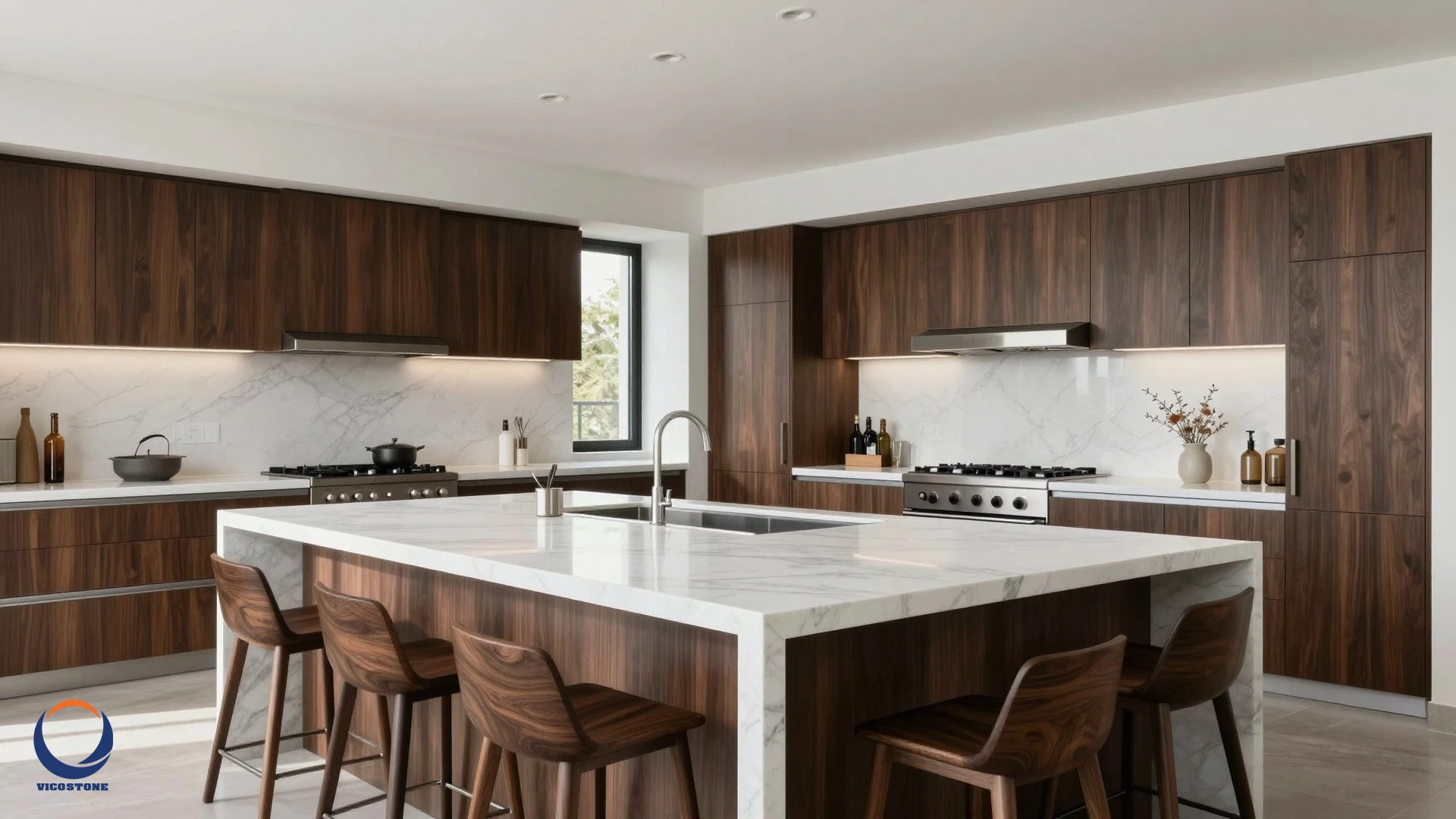
Countertops are often the focal point of a luxury kitchen, and engineered stone continues to be a top choice for its durability, low maintenance, and wide range of sophisticated designs. High-quality cabinetry finishes, from rich woods to sleek lacquers, add depth and character. The selection extends to backsplashes, flooring, and hardware, all chosen for their contribution to the overall aesthetic and tactile experience. The focus is on materials that not only look exquisite but also withstand the rigors of daily use, maintaining their beauty for years to come. This commitment to quality ensures that the kitchen remains a source of pride and enjoyment. It truly exemplifies premium surfaces: combining beauty and practicality for your home.
The interplay of light and shadow
Lighting design is an art form in itself within the luxury kitchen. Layered lighting, combining ambient, task, and accent lighting, creates depth and highlights architectural features. Under-cabinet lighting illuminates workspaces, while pendant lights over an island add a decorative touch. The careful placement of light sources can transform the mood of the room, from bright and functional to warm and inviting. Reflective surfaces, such as polished stone or high-gloss cabinetry, further enhance the play of light and shadow, adding to the kitchen's dynamic appeal. This thoughtful approach to illumination elevates the entire space.
Inspiration from industry leaders and awards
The evolution of kitchen design is continually shaped by innovation and recognition. Industry awards play a vital role in showcasing pioneering concepts and setting new benchmarks for excellence.
Events like the "Vietnam Kitchen Awards 2024 | Bespoke Be Home" highlight the cutting edge of kitchen design [4]. Organized by the VDAS Design Association in collaboration with brands like Samsung Bespoke, these awards celebrate talented designers and innovative solutions [2]. The contest attracts hundreds of entries, demonstrating a vibrant community dedicated to advancing kitchen aesthetics and functionality. Such initiatives affirm the leading position of smart kitchen equipment and inspire the creation of dream kitchen spaces. Partners like Vicostone Stone Brand, BoConcept, and others contribute to the high standards celebrated at these events [4].
These awards not only honor creativity but also provide a platform for sharing new ideas and technologies. They influence trends and raise consumer expectations, pushing the boundaries of what a kitchen can be. The recognition of outstanding design ensures that the industry continues to innovate, offering ever more sophisticated and personalized options for luxury homeowners. This commitment to excellence is what drives the "new standard" forward [5].
Conclusion
The new standard for sophisticated kitchen design is a multifaceted concept. It transcends mere visual appeal. It integrates smart technology, champions sustainability, and prioritizes personalization and wellness. Furthermore, it leverages premium materials and thoughtful lighting design. For modern luxury homeowners, the kitchen is an investment in a lifestyle. It is a space that supports culinary passions, fosters social connections, and contributes to overall well-being. As global trends continue to evolve, the demand for kitchens that are not only beautiful but also intelligent, sustainable, and deeply personal will only grow [3]. Embracing these principles ensures that the heart of your home remains a beacon of modern luxury and functional elegance.
More Information
- Global Context: Refers to the broader international and political landscape, which, despite its complexities, often influences consumer focus on creating stable and luxurious personal environments at home.
- Samsung Bespoke: A line of customizable home appliances from Samsung, known for combining advanced technology with modular design and a wide range of color and finish options, particularly prominent in kitchen design awards.
- Smart Home Integration: The seamless connection and control of various devices and systems within a home, such as lighting, climate, security, and appliances, often managed through a central hub or smartphone.
- VDAS Design Association: An organization, likely a design association, that collaborates with brands to promote and recognize excellence in design, as seen in their partnership for kitchen design awards.
- Engineered Stone: A composite material made from crushed stone (like quartz) bound together by an adhesive, often resin. It is highly durable, non-porous, and a popular choice for countertops in luxury kitchens.