For property investors, understanding what drives perceived home value is paramount. It dictates marketability, sale price, and rental yield. While location, size, and layout are fundamental, the often-overlooked hero in this equation is surface materials. These elements, from countertops to flooring, play a critical role in shaping a property's appeal and financial performance.
Surface materials are more than just decorative finishes. They communicate quality, durability, and modernity. Savvy investors recognize that strategic material choices can significantly enhance a property's perceived worth. This article explores how these choices impact buyer and renter perceptions, offering a guide for maximizing your investment returns.
First impressions are lasting impressions
The moment a potential buyer or renter steps into a property, their brain begins an immediate assessment. This initial judgment is heavily influenced by what they see and touch. High-quality surface materials create an immediate sense of luxury and care [2].
Conversely, outdated or worn surfaces can instantly devalue a property. They suggest neglect and the need for costly renovations. A positive first impression can lead to quicker sales and higher offers.
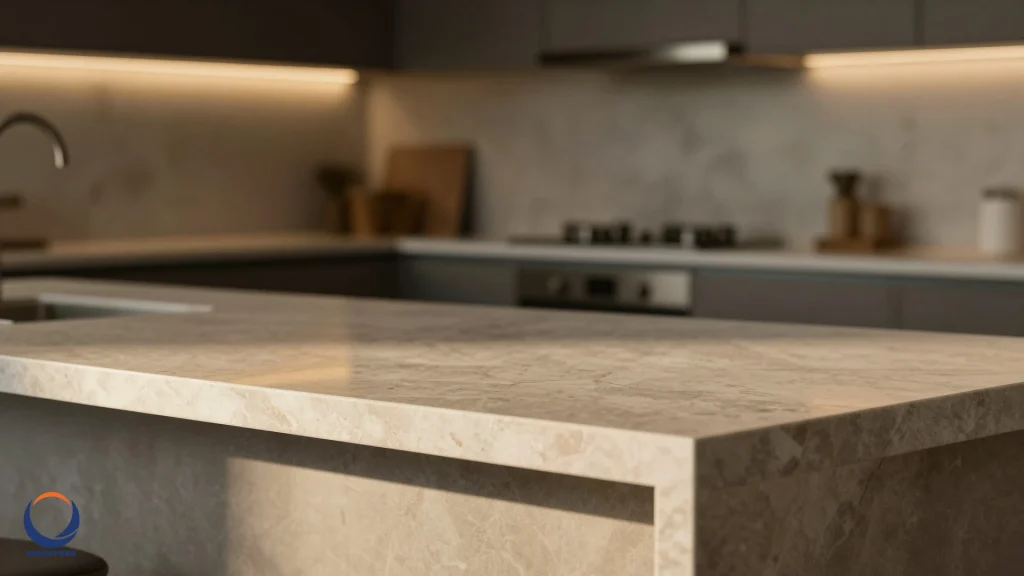
Tangible benefits: durability, maintenance, and longevity
Investors aren't just looking at aesthetics; they're analyzing long-term costs and potential headaches. Durable surface materials offer significant advantages in this regard. They withstand daily wear and tear, reducing the frequency and expense of repairs and replacements [1].
Materials like engineered stone, for instance, are renowned for their resilience. They resist scratches, stains, and heat far better than many natural alternatives. This durability translates directly into lower maintenance costs for property owners.
Ease of cleaning is another crucial factor. Surfaces that are simple to wipe down and maintain appeal to both tenants and future buyers. Low-maintenance materials contribute to a property's overall longevity and sustained appeal, making them a smart investment choice [3].
Aesthetic appeal and modern design trends
Staying current with design trends is vital in the competitive property market. Modern buyers and renters are often influenced by contemporary aesthetics. Outdated surfaces can make a property feel old and less desirable, regardless of its structural integrity.
Choosing materials that reflect current design preferences can significantly boost perceived value. This doesn't necessarily mean chasing fleeting fads. Instead, focus on timeless, elegant choices. Neutral tones and classic patterns in surface materials offer broad appeal. They provide a sophisticated backdrop that allows potential occupants to envision their own style within the space.
Materials that create a luxurious and high-end feel are particularly effective. Think polished countertops, elegant backsplashes, and seamless flooring. These elements elevate the perceived quality of the entire home.
Key areas where surface materials make a difference
Certain areas within a home disproportionately impact perceived value. Focusing your material investment in these spaces yields the greatest returns.
Kitchens: the heart of the home
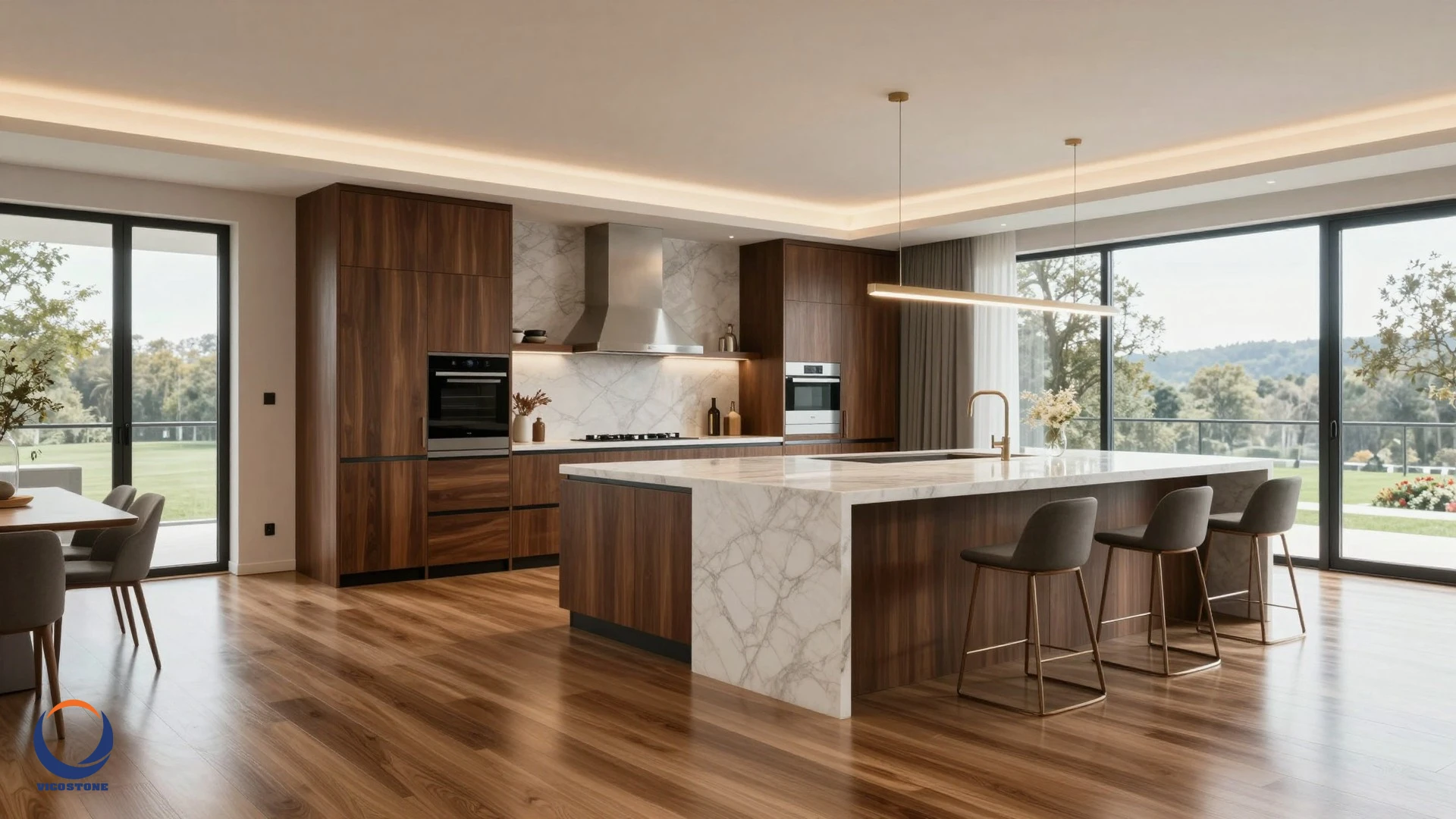
The kitchen is often the most important room for buyers and renters. High-quality countertops, backsplashes, and flooring here can make or break a deal. Engineered stone countertops, for example, offer both beauty and functionality. They signal a modern, well-maintained home.
An inviting and functional kitchen suggests a comfortable lifestyle. Premium surfaces in this area convey a sense of quality and attention to detail. This significantly enhances the property's overall desirability and value. Multi-functional kitchens: the heart of urban family life with premium surfaces are especially attractive.
Bathrooms: spa-like sanctuaries
Bathrooms are another critical zone. Investors should prioritize durable, water-resistant, and aesthetically pleasing surfaces. Elegant vanity tops, shower surrounds, and flooring contribute to a spa-like atmosphere. This enhances the perceived luxury of the home.
Clean, modern bathroom surfaces evoke a sense of hygiene and comfort. They are a strong selling point. Investing in quality materials here can significantly increase a property's appeal and valuation.
Flooring: foundational elegance
Flooring covers a large surface area and has a profound impact on a home's feel. Hardwood, engineered wood, or high-quality tile can elevate an entire space. These options are often preferred over carpet for their durability, ease of cleaning, and modern appeal.
Consistent, high-quality flooring throughout a property creates a cohesive and expansive feel. It signals a well-thought-out design. This foundational element is crucial for perceived value.
Walls and accents: subtle sophistication
While often overlooked, wall finishes and accent surfaces also contribute. Feature walls with textured panels or unique tiles can add character. They create focal points that enhance a property's distinctiveness.
Even paint quality and finish contribute to the overall impression. Smooth, well-painted walls suggest meticulous care. These subtle details collectively impact how a property is perceived.
The return on investment (ROI) perspective
For property investors, the ultimate goal is a strong return on investment. Strategic material selection directly contributes to this objective. Studies consistently show that homes with updated, premium surfaces command higher prices and sell faster [4].
Higher appraisal values
Appraisers consider the quality and condition of interior finishes. Properties with high-end, well-maintained surfaces often receive higher valuations. This directly impacts the potential sale price or collateral value for financing.
Faster sales and rental rates
A visually appealing property attracts more interest. This leads to a larger pool of potential buyers or tenants. Increased demand often translates into quicker transactions and stronger negotiating power for the investor.
Properties with desirable surfaces also command higher rental rates. Tenants are willing to pay more for a home that feels modern, clean, and well-appointed. This boosts an investor's recurring income.
Attracting premium tenants and buyers
Quality surfaces attract a more discerning clientele. These individuals are often willing to pay a premium for a superior living experience. This can lead to more reliable tenants and buyers who appreciate and maintain the property well.
Understanding material choices: natural vs. engineered
Investors face a myriad of material choices, each with its own benefits and drawbacks. Understanding these differences is key to making informed decisions.
Pros and cons for investors
Natural materials like granite, marble, and solid wood offer timeless beauty. They can add a sense of luxury and uniqueness. However, they often come with higher costs, more complex installation, and specific maintenance requirements. Some natural stones are porous and prone to staining or etching.
Engineered materials, such as quartz (engineered stone), porcelain, and certain laminates, provide excellent alternatives. They often mimic the look of natural materials but offer enhanced performance. They can be more uniform in appearance, easier to maintain, and often more cost-effective.
Engineered stone: a smart investment
Engineered stone, particularly quartz, has become a favorite among investors. It combines the aesthetic appeal of natural stone with superior durability and low maintenance. It is non-porous, making it highly resistant to stains and bacteria. This makes it ideal for high-traffic areas like kitchens and bathrooms.
The consistent quality and wide range of designs available in engineered stone make it a versatile choice. It allows investors to achieve a high-end look without the associated drawbacks of some natural materials. EON Tech has been instrumental in developing advanced engineered stone solutions that meet both aesthetic and functional demands of modern properties.
Sustainable choices and market demand
A growing segment of the market values sustainability. Choosing eco-friendly surface materials can enhance a property's appeal to environmentally conscious buyers and renters [5]. Materials made from recycled content or those with low VOC emissions are increasingly sought after. This trend adds another layer to perceived value. The global shift toward sustainable interior materials is undeniable.
Strategic material selection for different investment goals
Your investment strategy should guide your material choices. Different goals require different approaches to surface selection.
Flipping properties for quick returns
For property flippers, cost-effectiveness and broad appeal are crucial. Focus on materials that offer a high impact-to-cost ratio. Engineered stone, durable vinyl plank flooring, and fresh paint can quickly modernize a home. These choices provide a significant aesthetic upgrade without overspending. The goal is to create a fresh, contemporary look that appeals to a wide range of buyers and facilitates a fast sale.
Long-term rental income
Investors focused on long-term rental income prioritize durability and low maintenance above all else. Materials that can withstand heavy use and require minimal upkeep will reduce ongoing costs. They also minimize tenant complaints. Engineered stone countertops, robust tile flooring, and washable paints are excellent choices for rental properties. They ensure longevity and consistent tenant satisfaction.
Luxury market appeal
For properties targeting the luxury market, premium materials are non-negotiable. High-end natural stones, custom wood finishes, and designer tiles are expected. The focus here is on creating an exclusive, sophisticated ambiance. These materials contribute to a perception of unparalleled quality and craftsmanship. This justifies a higher price point.
The future of surfaces and property value
The world of surface materials is constantly evolving. New technologies and design innovations continue to emerge. Staying informed about these advancements can give investors a competitive edge.
Technological advancements
Innovations in manufacturing are leading to even more durable, sustainable, and aesthetically diverse materials. Smart surfaces with integrated technology or self-cleaning properties are on the horizon. These advancements will further influence perceived value and functionality.
Sustainability as a value driver
The emphasis on sustainability will only grow. Materials with transparent supply chains, low environmental impact, and certifications will become increasingly important. Investors who prioritize these choices will appeal to a future-forward market.
Staying ahead of the curve
Regularly researching new products and trends is essential. Attending industry shows and consulting with designers can keep investors informed. Proactive material selection ensures properties remain desirable and valuable in an ever-changing market.
Conclusion: maximizing your property's potential
Surface materials are far more than mere decorative elements. They are strategic assets that profoundly influence a property's perceived value. For property investors, understanding this impact is crucial for success. By carefully selecting durable, aesthetically pleasing, and low-maintenance materials, investors can:
- Enhance first impressions and curb appeal.
- Reduce long-term maintenance costs.
- Align with modern design trends.
- Increase appraisal values and accelerate sales.
- Attract premium buyers and tenants.
Investing wisely in surface materials is a powerful strategy. It unlocks a property's full potential and secures a strong return on investment. Make your material choices count.
More Information
- Appraisal Value: The estimated worth of a property, determined by a professional appraiser, often influenced by factors like location, condition, and quality of finishes.
- Perceived Value: The subjective worth or desirability of a property as judged by potential buyers or renters, often driven by emotional and aesthetic factors in addition to objective features.
- Engineered Stone: A composite material made from crushed stone (commonly quartz) bound together by an adhesive, offering high durability, stain resistance, and low maintenance.
- Return on Investment (ROI): A performance measure used to evaluate the efficiency or profitability of an investment, calculated as the benefit (return) of an investment divided by the cost of the investment.
- Sustainability: The ability to maintain or support a process continuously over time, often referring to practices that minimize environmental impact and promote resource conservation in construction and design.