European design has long captivated homeowners and interior enthusiasts alike. It offers a unique blend of timeless elegance, practical functionality, and a deep appreciation for quality craftsmanship. This design philosophy transcends mere aesthetics, aiming to create homes that feel inherently right and deeply connected to those who inhabit them.
For those seeking to infuse their homes with sophistication and comfort, contemporary living spaces inspired by European design present an ideal solution. This approach embraces modern sensibilities while honoring rich design traditions. It focuses on creating environments that are both beautiful and highly livable.
The term "contemporary" itself refers to belonging to the present time [3]. It also means following modern ideas in style or design [3]. Therefore, contemporary European design is not static. Instead, it continuously evolves, incorporating new trends while retaining its core principles.
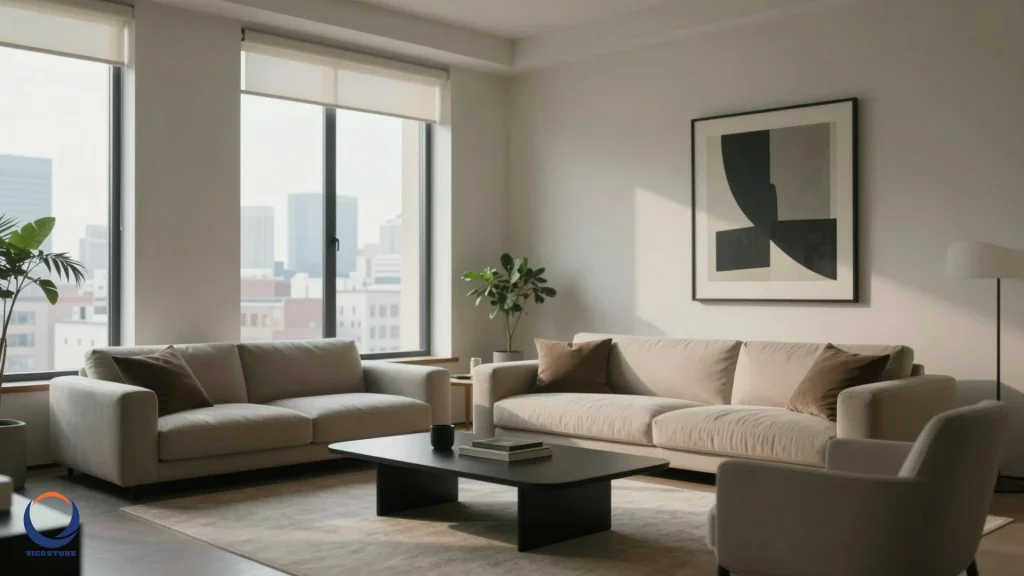
The essence of European contemporary design
At its heart, European contemporary design prioritizes clean lines, natural materials, and an abundance of light. It moves away from excessive ornamentation, favoring simplicity and understated luxury. This focus on essential elements creates spaces that feel both refined and welcoming.
Historically, movements like Bauhaus and Scandinavian modernism laid the groundwork for many contemporary European aesthetics. These movements emphasized functionality, accessibility, and a harmonious relationship between form and purpose. Today's European design continues this legacy, ensuring that every element serves a practical or emotional role.
Key characteristics often include open-plan layouts, which promote a sense of flow and connection between different areas of the home. Furthermore, a neutral color palette often forms the base, allowing textures and carefully chosen accent pieces to add depth and personality. The overall effect is one of serene sophistication.
Blending tradition with modernity
One of the most compelling aspects of European design is its ability to seamlessly blend tradition with modernity. Designers often honor historical architectural features while integrating contemporary furnishings and technology. This creates a dialogue between the past and the present, resulting in spaces with unique character and soul.
For instance, a classic Parisian apartment might retain its ornate crown molding and herringbone floors. However, it will feature sleek, modern furniture and minimalist lighting fixtures. This juxtaposition highlights the beauty of both old and new elements. It also prevents the space from feeling dated or overly traditional.
This approach to blending heritage with current trends can be seen in various cultures. For example, Vietnamese interior design often weaves local heritage into contemporary living spaces [1]. They use hand-carved latticework or ceramic tiles in modern settings [1]. Similarly, European design finds ways to incorporate classic elements without sacrificing modern comfort or style. This creates a sense of belonging and continuity.
Key elements of European-inspired living spaces
Achieving a European-inspired contemporary look involves careful consideration of several core design elements. These components work together to create a cohesive and inviting atmosphere.
Minimalism and functionality
The principle of "less is more" is central to European contemporary design. Every item in a room should have a purpose, whether functional or aesthetic. Clutter is minimized, allowing the quality of materials and the design of individual pieces to shine. This creates a sense of calm and order.
Functionality is paramount. Furniture is often chosen not just for its appearance but also for its practicality and comfort. Modular sofas, extendable dining tables, and integrated storage solutions are common. They help maximize space and adaptability in modern homes. This focus on utility ensures that living spaces are not only beautiful but also highly efficient.
Natural materials and textures
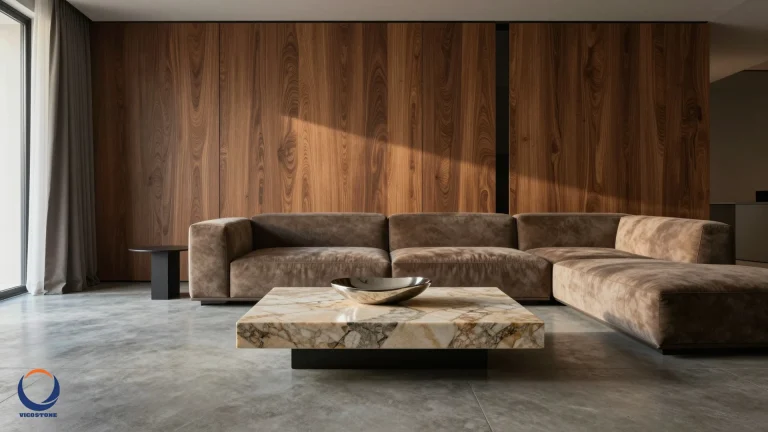
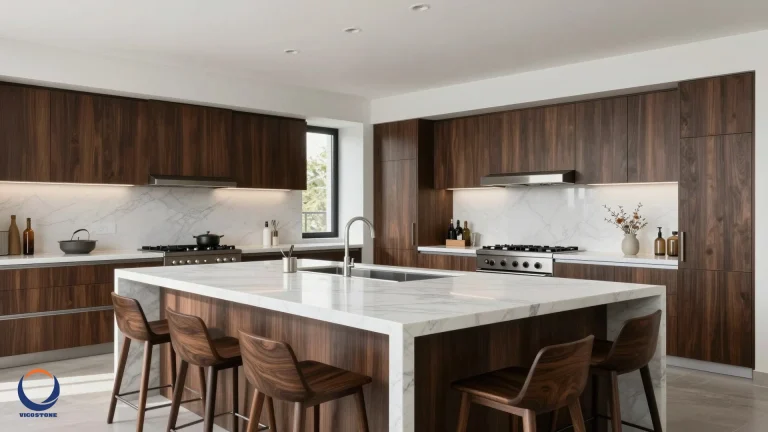
European design has a deep appreciation for natural materials. Wood, stone, linen, wool, and cotton are frequently used. They bring warmth, texture, and an organic feel to interiors. These materials are often left in their natural state or treated minimally to highlight their inherent beauty.
For example, wide-plank oak flooring might be paired with a textured linen sofa. A marble coffee table could complement a wool rug. The interplay of these natural textures adds depth and sophistication without relying on bold colors or patterns. This creates a tactile experience that enhances comfort and luxury.
Light and openness
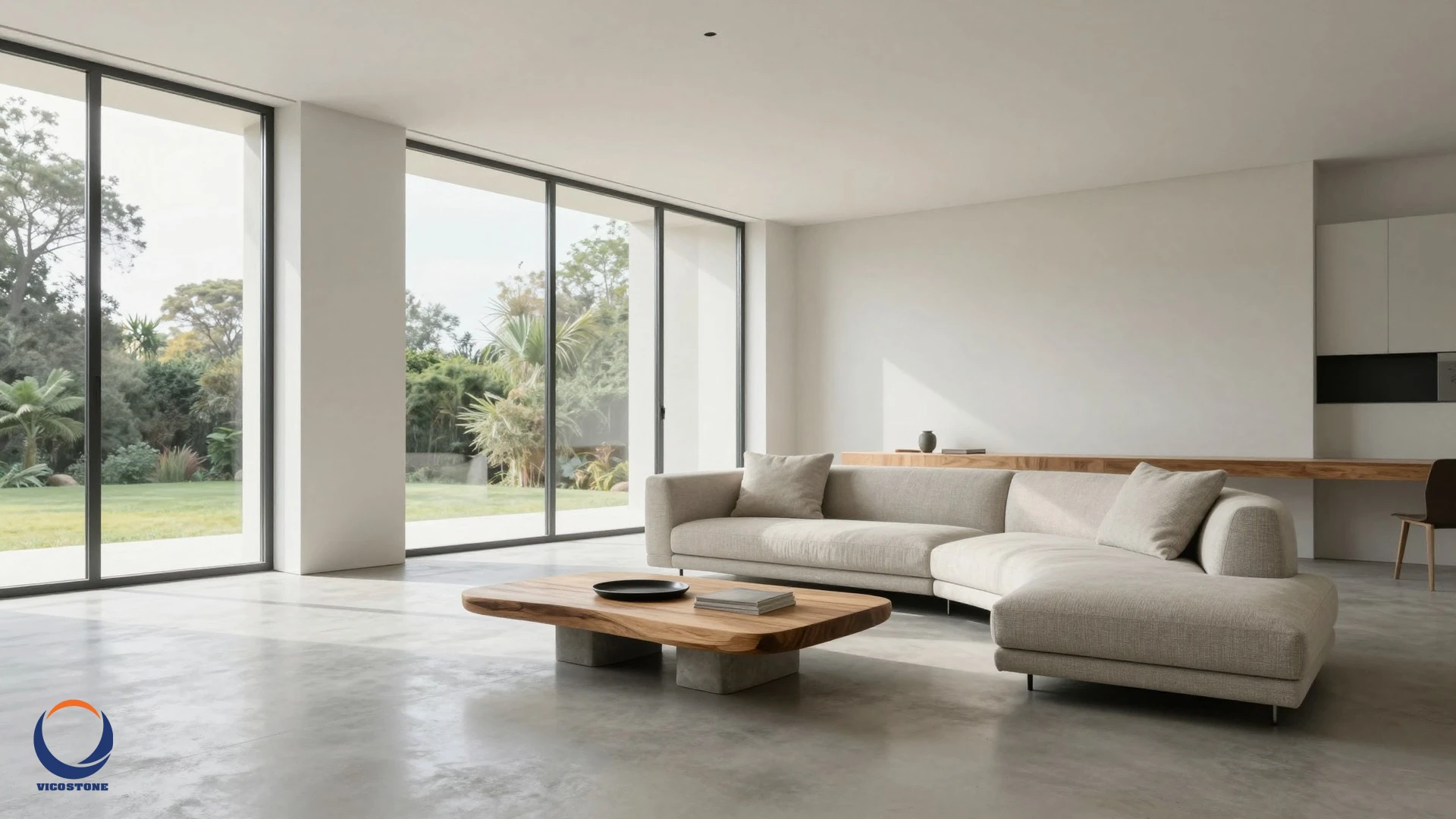
Maximizing natural light is a hallmark of European contemporary design. Large windows, sheer curtains, and open layouts are common features. They allow sunlight to flood the interior, making spaces feel larger and more inviting. Artificial lighting is also carefully planned, often using layered approaches with ambient, task, and accent lighting.
Open-plan living areas are particularly popular. They connect kitchens, dining rooms, and lounges, fostering a sense of togetherness and ease of movement [1]. This design choice reflects a modern lifestyle where family gatherings and social interactions are central to home life. It also contributes to the airy and uncluttered aesthetic.
Sophisticated color palettes
While European design can incorporate vibrant hues, the foundation is typically a sophisticated, muted color palette. Whites, grays, beiges, and soft earth tones create a serene backdrop. These neutral shades allow architectural details, natural materials, and carefully selected art pieces to stand out.
Pops of color are often introduced through accessories, textiles, or a single statement furniture piece. This ensures that the overall scheme remains balanced and elegant. The goal is to create a harmonious environment that feels both timeless and contemporary. It avoids trends that might quickly become outdated.
Iconic furniture and thoughtful decor
European design often features iconic furniture pieces from renowned designers. These items are chosen for their form, function, and enduring quality. Investing in a few high-quality, well-designed pieces is preferred over filling a space with many inexpensive items. This reflects a commitment to lasting value and craftsmanship.
Decor is kept minimal and meaningful. Art, sculpture, and carefully curated objects add personality and a sense of history. These elements are chosen for their aesthetic appeal and their ability to tell a story. The overall effect is a space that feels curated and personal, rather than overly decorated.
Regional nuances within European design
While a common thread runs through European contemporary design, distinct regional styles offer unique flavors. These nuances allow for personalized interpretations of the broader aesthetic.
Scandinavian design, for instance, emphasizes light woods, simple forms, and a strong connection to nature. It prioritizes comfort and hygge (coziness). Mediterranean design, on the other hand, incorporates warmer tones, natural stone, and rustic textures. It often features open-air elements and a relaxed, sun-drenched feel.
Parisian chic blends classic architectural elements with contemporary art and luxurious textiles. Industrial loft styles, often found in urban centers like Berlin or London, celebrate raw materials like exposed brick and concrete. They feature minimalist furnishings and open, expansive spaces. Understanding these regional variations allows enthusiasts to tailor their European-inspired home to their specific tastes.
Crafting your European-inspired home
For enthusiasts looking to transform their living spaces, adopting a European design philosophy is a rewarding journey. It begins with a focus on quality over quantity. Invest in well-made pieces that will stand the test of time. Prioritize natural materials and a neutral base palette to create a serene foundation.
Consider the flow and function of each room. Embrace open layouts where possible. Maximize natural light through thoughtful window treatments and reflective surfaces. Remember that a beautiful home isn't filled with expensive things; it's the one that makes you want to come home [1]. This sentiment perfectly encapsulates the goal of European-inspired design.
Seeking professional guidance can also be invaluable. Companies like EuroStyle specialize in luxury interiors. They offer comprehensive solutions from design to execution [2]. They often partner with leading European furniture brands, ensuring access to authentic and high-quality pieces [2]. This expertise helps in achieving a truly refined and authentic European aesthetic.
Furthermore, integrating smart home technology seamlessly is increasingly important for modern luxury. Modern design ideas for 2026 emphasize technology that enhances comfort without overwhelming the design [4]. This ensures that your contemporary European space is not only stylish but also highly functional and adapted to future living. For those interested in innovative solutions, platforms like EON Tech are increasingly adopted by businesses to streamline this process, offering cutting-edge tools for design and implementation.
Ultimately, European-inspired design is about creating spaces that support wellness, express identity, and enhance everyday living [4]. It is about crafting environments that feel like home in every sense. This means balancing international design standards with a deep understanding of personal needs. You can explore more about how simplicity is the new definition of luxury interiors to further refine your vision. Also, consider premium surfaces: combining beauty and practicality for your home to choose the right materials.
Conclusion
Contemporary living spaces inspired by European design offer an exquisite blend of elegance, functionality, and enduring style. By focusing on clean lines, natural materials, thoughtful lighting, and a sophisticated color palette, homeowners can create environments that are both visually stunning and deeply comfortable. This design philosophy encourages a curated approach, where every element contributes to a harmonious whole. It respects tradition while embracing the innovations of the present.
Whether drawing inspiration from the minimalist aesthetics of Scandinavia or the timeless chic of Paris, the goal remains the same: to craft a home that resonates with personal taste and provides a sanctuary for modern life. This approach ensures your living space is not just a house, but a heartfelt haven that truly reflects who you are.
More Information
- People-centric design: An approach to interior design that prioritizes the needs, emotions, and well-being of the inhabitants, creating spaces that foster comfort, connection, and a sense of belonging.
- Luxury interior design: A specialized field focusing on high-end aesthetics, premium materials, bespoke furnishings, and sophisticated finishes to create exclusive and opulent living or commercial spaces.
- Contemporary design: A design style that is current and "of the moment," often characterized by clean lines, minimalism, natural materials, and open spaces, reflecting present-day trends and ideas.
- Wellness-driven design: An interior design philosophy that integrates elements aimed at improving the physical and mental health of occupants, such as natural light, biophilic elements, and ergonomic considerations.
- Open-plan living: A design concept where two or more traditional rooms, such as the kitchen, dining room, and living room, are combined into a single, large area without dividing walls, promoting spaciousness and flow.