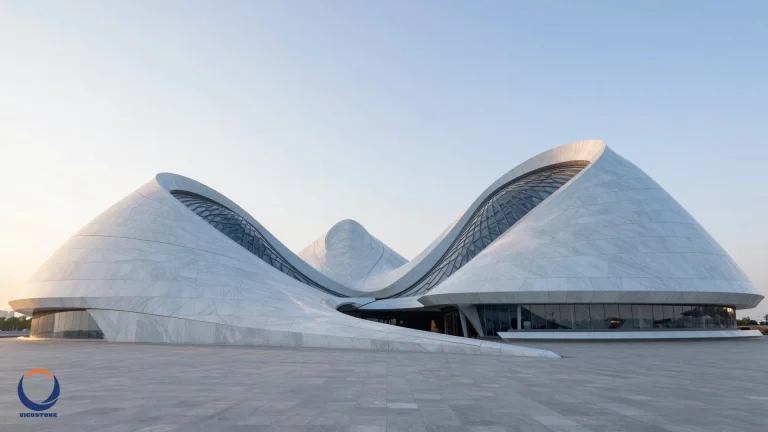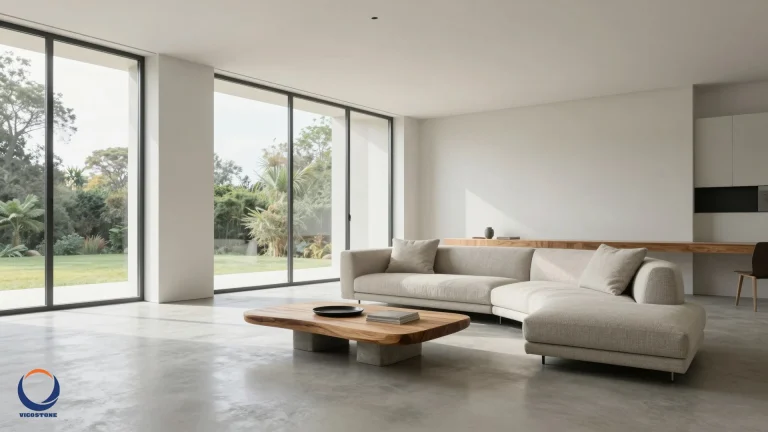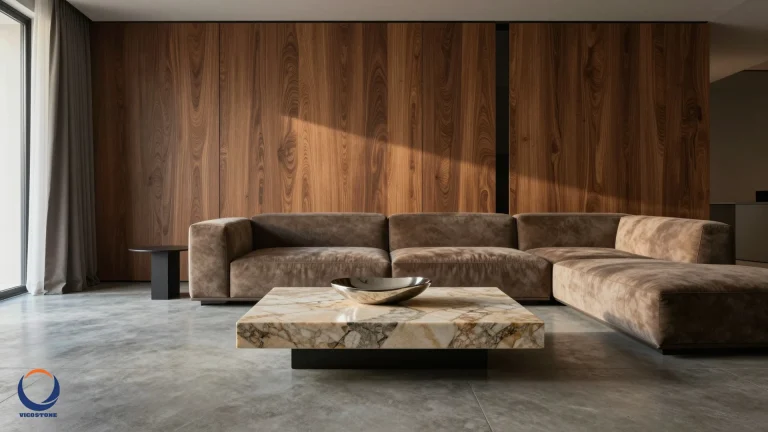
The world of architecture and interior design is undergoing a profound transformation. There is a growing recognition of the environmental impact of traditional building practices. This has led to a significant shift towards sustainable interior materials worldwide.
Architects and sustainability professionals are at the forefront of this movement. They are actively seeking innovative solutions to minimize ecological footprints. This article explores the drivers, challenges, and future of sustainable interior material adoption.
The urgent need for sustainable choices
Traditional interior materials often contribute to environmental degradation. Deforestation, excessive energy consumption, and high carbon emissions are common problems. These practices deplete natural resources and exacerbate climate change.
Consumers are increasingly aware of these issues. Their purchasing behavior reflects a growing preference for eco-friendly products [1]. This demand creates a powerful incentive for manufacturers and designers to embrace sustainability.
Driving forces behind the global transition
Several factors are accelerating the move towards sustainable materials. Global sustainability standards and certifications play a crucial role. They provide benchmarks for environmentally responsible products and practices.
Government incentives and regulations also drive market changes. For instance, the Vietnam Green Building Materials Market shows significant growth. This is due to government support for sustainable building practices and rising consumer awareness [4]. Such policies encourage wider adoption of green materials.
Technological advancements are continuously expanding the range of sustainable options. Innovations in material science create high-performance, eco-friendly alternatives. These developments make sustainable choices more accessible and appealing.
Exploring categories of eco-friendly materials
The spectrum of sustainable interior materials is broad and diverse. Each category offers unique benefits and applications for various design needs.
Renewable and natural materials
These materials are sourced from naturally replenishing resources. They often have a lower embodied energy compared to conventional options. Their use reduces reliance on finite resources.
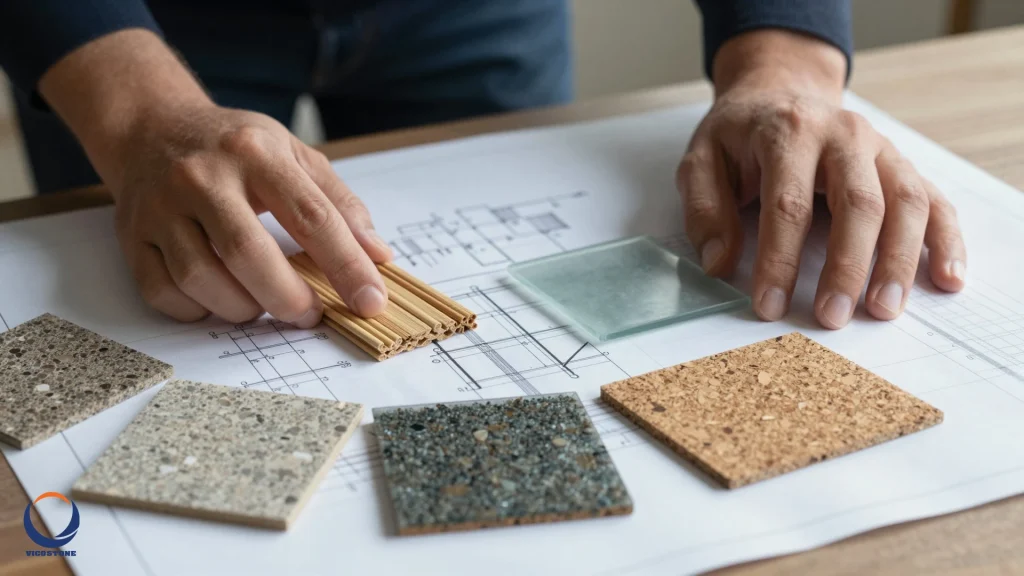
- Bamboo and rattan: These are excellent examples of fast-growing, renewable resources. They offer strength and versatility for furniture and finishes. Vietnamese furniture manufacturers increasingly utilize these materials to reduce deforestation pressures [1].
- Cork: Harvested from cork oak trees without harming the tree, cork is renewable and offers excellent acoustic and thermal insulation properties. It is ideal for flooring and wall coverings.
- Natural fibers: Jute, hemp, and sisal are used in textiles, carpets, and wall coverings. They are biodegradable and require minimal processing.
Recycled and upcycled materials
Incorporating these materials diverts waste from landfills. It also reduces the need for virgin resources. This approach embodies circular economy principles.
- Reclaimed wood and repurposed metal: These materials give new life to discarded resources. Manufacturers incorporate them to reduce waste and minimize new resource consumption [1]. They add character and history to interior spaces.
- Recycled plastics and glass: Post-consumer and post-industrial waste can be transformed into new products. This includes countertops, tiles, and insulation.
- Recycled textiles: Fabrics made from recycled content reduce textile waste. They also conserve water and energy used in new fiber production.
Certified and responsibly sourced materials
Certifications ensure materials meet specific environmental and social standards. They provide transparency and accountability in the supply chain. This helps professionals make informed decisions.
- FSC-certified wood: This certification guarantees wood comes from responsibly managed forests. It promotes environmental conservation and ethical practices [1]. Architects can specify FSC-certified products with confidence.
- Environmental product declarations (EPDs): EPDs provide transparent, third-party verified information. They detail the environmental performance of a product over its entire lifecycle. This includes carbon footprint, water usage, and waste generation [5].
- Life cycle assessments (LCAs): LCAs are comprehensive analyses of a product's environmental impact. They cover extraction, manufacturing, use, and disposal. These assessments are crucial for understanding true sustainability [5].
Low-VOC and non-toxic materials
Indoor air quality is paramount for human health. Volatile Organic Compounds (VOCs) can off-gas from many conventional materials. They contribute to respiratory issues and other health problems.
Low-VOC paints, adhesives, and finishes significantly improve indoor environments. Specifying non-toxic materials ensures healthier spaces for occupants. This is a critical consideration for residential, commercial, and institutional projects.
Overcoming barriers to adoption
Despite the clear benefits, challenges remain in the widespread adoption of sustainable materials. Addressing these barriers is essential for continued progress.
Perceived cost and limited awareness
The initial cost of sustainable materials can sometimes be higher. This is a common perception, though long-term savings often outweigh upfront expenses. These savings come from reduced energy consumption and improved durability.
A lack of awareness among designers and consumers is another hurdle. Many are unfamiliar with the range of sustainable options available. They may also not understand the full benefits of these materials [2].
Supply chain complexities and data transparency
Sourcing certified and sustainable materials can be complex. The supply chains for these products require careful vetting. Ensuring the authenticity of claims demands robust verification processes.
The need for transparent environmental information is critical [5]. Without clear data, it is difficult to compare products accurately. This hinders informed decision-making by professionals.
Solutions for broader implementation
Education and training are vital for architects and designers. They need to understand material properties, certifications, and installation techniques. This empowers them to confidently specify sustainable options.
Government support and incentives further encourage adoption. Policies like tax breaks or subsidies for green buildings can stimulate demand [4]. This helps level the playing field against conventional materials.
Robust certification schemes also play a key role. International standards like LEED and BREEAM guide sustainable construction. Local initiatives, such as Vietnam's LOTUS Green Product certification, help integrate sustainability into national supply chains [5].
Regional spotlight: Vietnam's green evolution
Vietnam provides an excellent example of a country embracing sustainable practices. Its furniture industry has seen a remarkable shift towards green production methods [1]. This is driven by consumer awareness and global sustainability standards.
The country's green building materials market is experiencing significant growth. It is projected to grow at an 8.4% CAGR during 2026-2032 [4]. This growth is fueled by government policies and rising consumer demand.
Vietnamese experts emphasize the importance of tools like LCA and EPDs. These tools help businesses measure and reduce emissions. They also optimize resource use and enhance competitiveness in the global green materials market [5].
Interior designers in Vietnam are also crucial in this transition. Their awareness and application of sustainable materials directly impact market demand [2]. This regional focus highlights a broader global trend.
The architect's and designer's pivotal role
Architects and interior designers hold immense power to shape the future. Their material specifications directly influence a project's environmental impact. They are key decision-makers in the sustainable shift.
They must educate clients about the long-term benefits of sustainable choices. These benefits include improved health, lower operating costs, and enhanced brand reputation. Integrating sustainability from concept to completion is vital.
Leveraging digital tools and platforms can streamline this process. Managing the vast array of sustainable material data and project workflows requires efficient tools, much like how professionals organize their digital environments to enhance productivity [3]. Platforms that offer comprehensive material libraries and lifecycle data are invaluable. EON Tech is at the forefront of providing innovative solutions for professionals seeking to optimize their sustainable design workflows.
Designers can also advocate for new material development. They can push for greater transparency from manufacturers. Their influence extends beyond individual projects to the entire industry.
Future directions in sustainable interiors
The trajectory towards sustainable interiors is clear. Several emerging trends will further define this shift. These innovations promise even greater environmental benefits.
Circular economy principles
The circular economy aims to eliminate waste and pollution. It keeps products and materials in use for as long as possible. This means designing for disassembly, reuse, and recycling.
Interior materials will increasingly be designed with their end-of-life in mind. This includes modular systems and take-back programs. Such approaches minimize waste and maximize resource efficiency.
Advanced material science
Innovations in material science are constantly introducing new possibilities. Bio-based materials derived from agricultural waste are gaining traction. Self-healing materials could extend product lifespans significantly.
The development of silica-free innovation is another critical area. It addresses health concerns in manufacturing and fabrication. This represents a significant step towards safer and more responsible production.
Increased digitalization and transparency
Digitalization will continue to transform material sourcing and tracking. Blockchain technology could provide immutable records of material origins. This ensures greater transparency and combats greenwashing.
Building Information Modeling (BIM) will integrate more environmental data. This allows for early-stage assessments of material impacts. The future of interior surfaces promises to be safe, sustainable, and sophisticated.
The imperative for Net Zero goals
Many countries are committing to Net Zero emissions targets. The construction sector plays a large role in greenhouse gas emissions. Therefore, green building materials are essential for achieving these goals [5].
Interior materials with low embodied carbon will become standard. The entire lifecycle of a building, including its interiors, will be scrutinized for its environmental footprint. This collective effort is crucial for a sustainable future.
Conclusion
The shift toward sustainable interior materials worldwide is not merely a trend. It is a fundamental evolution in how we design and build. This movement is driven by environmental necessity, consumer demand, and technological innovation.
Architects and sustainability professionals are pivotal in this transition. They have the power to specify materials that protect our planet and enhance human well-being. By embracing renewable, recycled, certified, and non-toxic options, they can create healthier, more resilient spaces.
The challenges of cost and awareness are being addressed through education and policy. Countries like Vietnam demonstrate the tangible benefits of this commitment. The future of interior design is undeniably green, demanding collective responsibility and continuous innovation from all stakeholders.
More Information
- Green Production: Manufacturing processes that minimize negative environmental impacts, conserve energy and natural resources, and protect ecosystems. This includes using sustainable materials, efficient energy use, and waste reduction 1.
- Sustainable Materials: Materials that have a low environmental impact throughout their lifecycle, from extraction and manufacturing to use and disposal. They are often renewable, recycled, or non-toxic 2.
- Life Cycle Assessment (LCA): A methodology for assessing environmental impacts associated with all stages of a product's life, from raw material extraction through processing, manufacturing, distribution, use, repair and maintenance, and disposal or recycling 5.
- Environmental Product Declaration (EPD): A standardized, third-party verified document that communicates transparent and comparable information about the life-cycle environmental performance of products. EPDs help in making informed sustainable choices 5.
- FSC Certification: Forest Stewardship Council certification ensures that wood products come from responsibly managed forests. These forests provide environmental, social, and economic benefits, promoting sustainable forestry practices globally 1.